
My second novel, Habit of Disobedience, will be published later in 2026 by Breakthrough Books. The story is set in Puglia in the late 1500s. Inspired by true events recorded in archival documents, this tale of nuns who stood up to the Church explores themes of power, control and female resistance that resonate today.
If you enjoyed Maggie O’Farrell’s vivid depiction of Renaissance lives in The Marriage Portrait, Rachel Blackmore’s painstakingly researched and immersive Costanza, or the convent setting of Lauren Groff’s Matrix, this book might appeal to you. For a couple of articles about the research behind the novel, click here (I’ll be adding material to this ‘Behind the Scenes’ section in the coming months). Below is a ‘mood board’ to give a sense of the novel’s atmosphere.
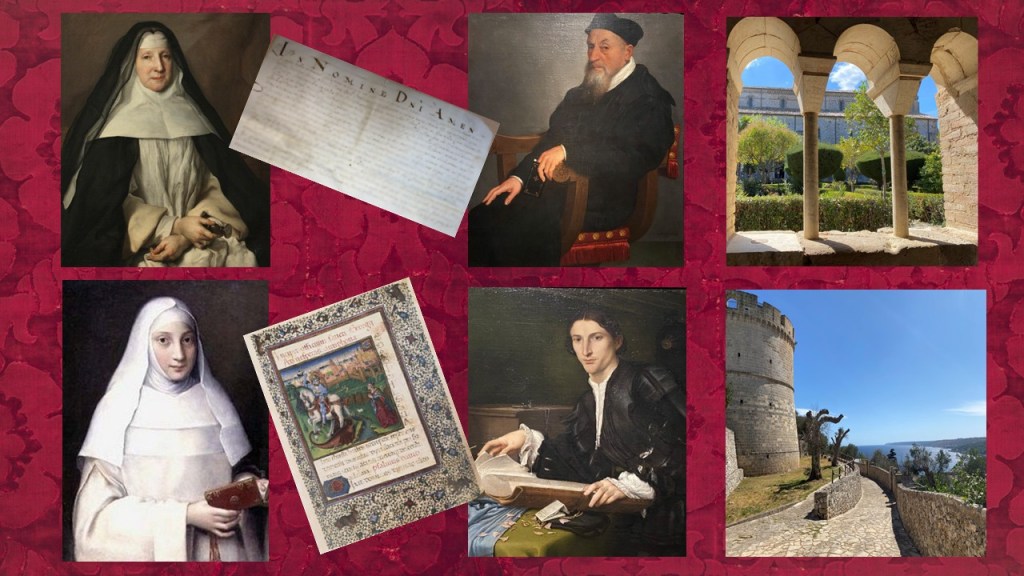
My third novel, The One Who Stayed Behind (working title), will be a historical mystery set in Italy in the mid-1500s, when fear of Ottoman attacks ran high and when Pope Paul IV ordered the persecution of Jews of Portuguese descent. The merchant Elio, a Jewish convert to Catholicism, stands accused of murder and of spying for the Sultan. His daughter Marianna and his protégé Lorenzo must prove Elio’s innocence in a world where suspicion is rife, power abused, and safety increasingly a thing of the past.
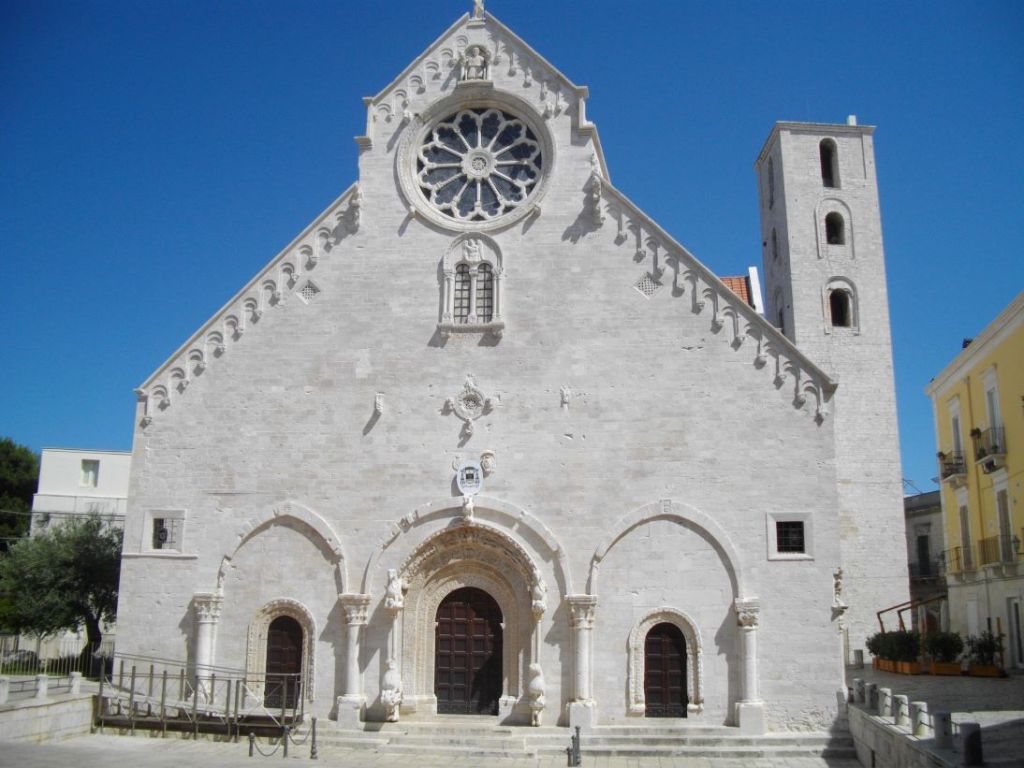
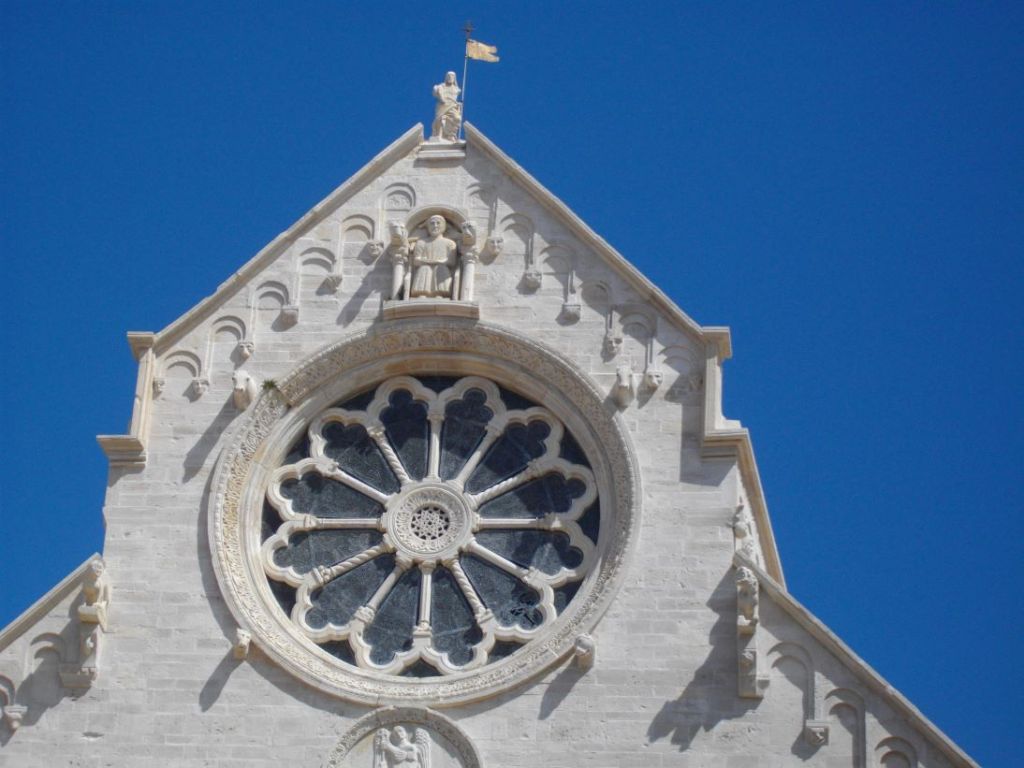
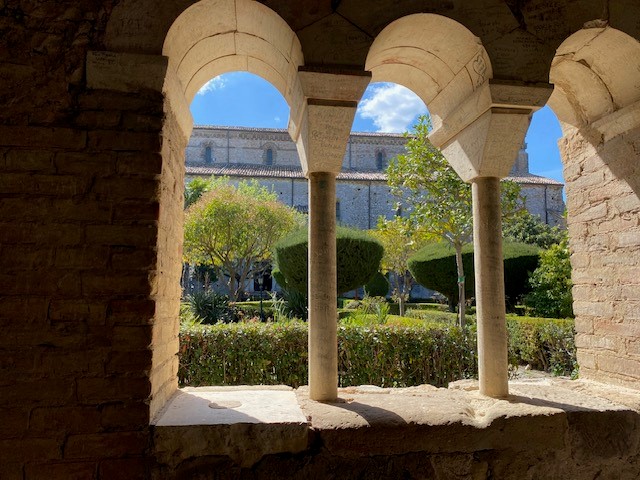



Habit of Disobedience
Photo credits:
Map of Italy from Ptolemy’s Geographia Universalis, Vetus et Nova, Sebastian Münster, Basileae : Apud Henricum Petrum (1540) available through The Newberry on Internet Archive.
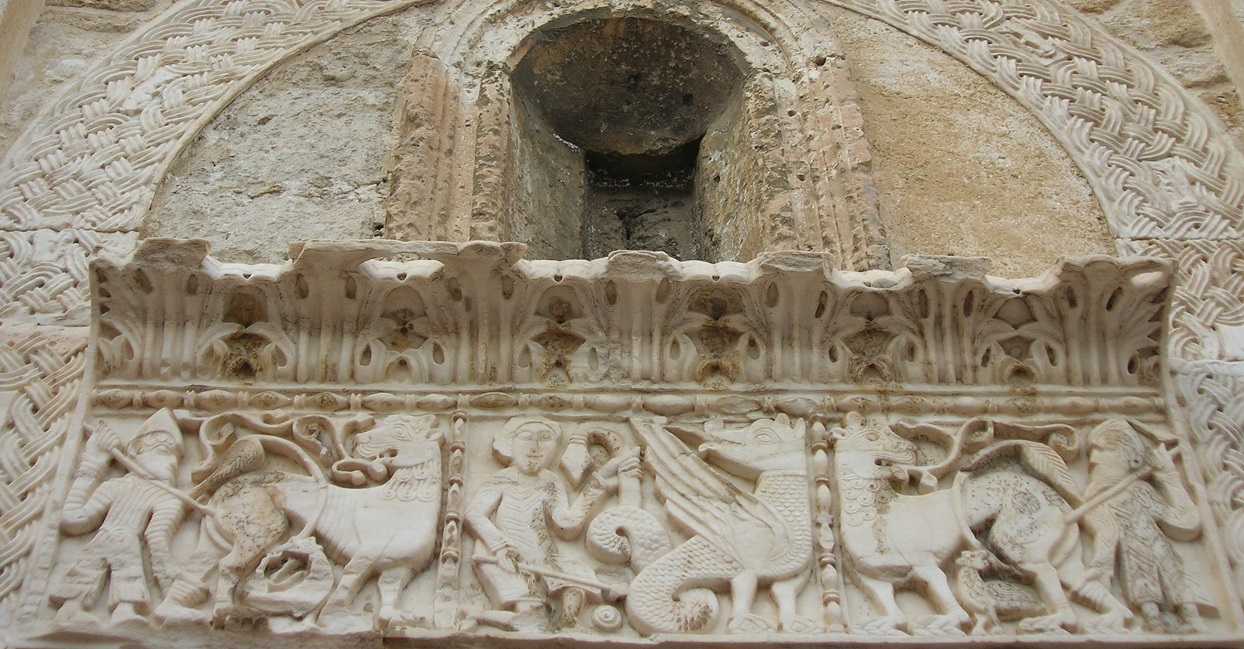
Santa Maria del Casale by Roberto Sernicola at Italian Wikipedia. Reproduced under Public Domain license.
Nicolas de Largillière, Portrait of Anne Frances Throckmorton, Prioress of the English Augustinian Convent of Notre Dame de Sion, Paris. National Trust Collections. Image credit: Wikimedia Commons.
Sofonisba Anguissola, Portrait of Elena Anguissola. Image credit: WikiArt Public Domain; added by yigruzeltil (2013), and last edit by xennex (2023).
The 16th-century Italian velvet forming the mood board’s background is Public Domain, courtesy of the Met Museum’s Open Access policy.
Rare Books by Roman Kraft. Reproduced under CC licence via Unsplash.
Other photos: the author’s own, including those of Giovan Battista Moroni’s portrait of canon Pietro Bresciani and of Lorenzo Lotto’s portrait of a young man.
 Valeria Vescina

