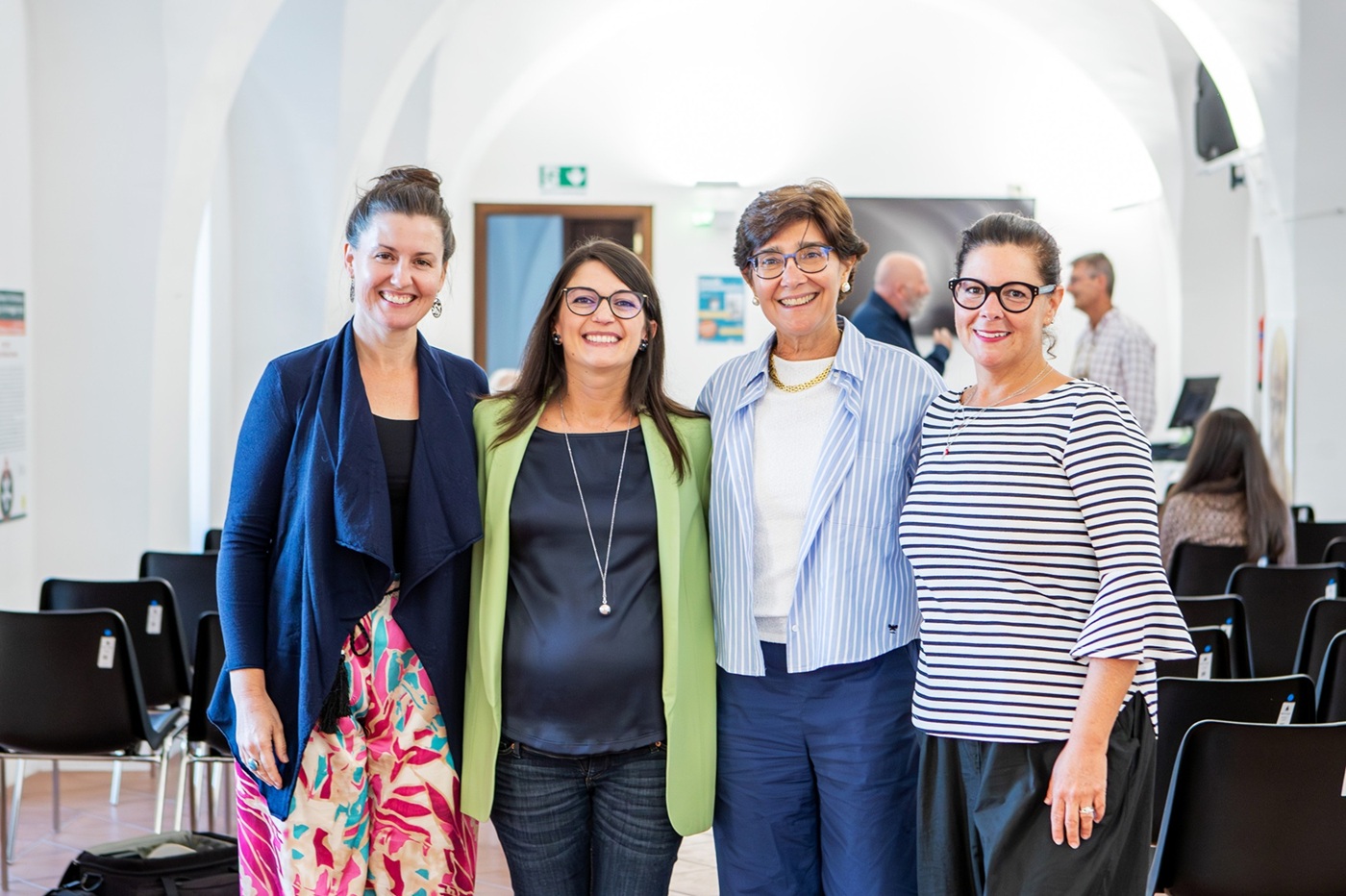
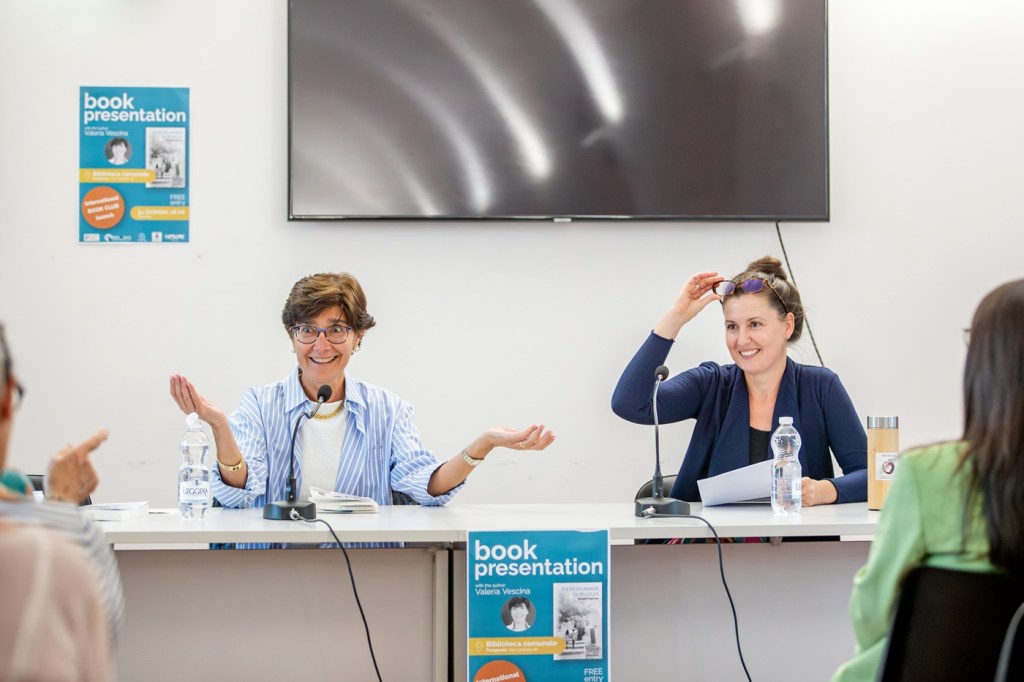
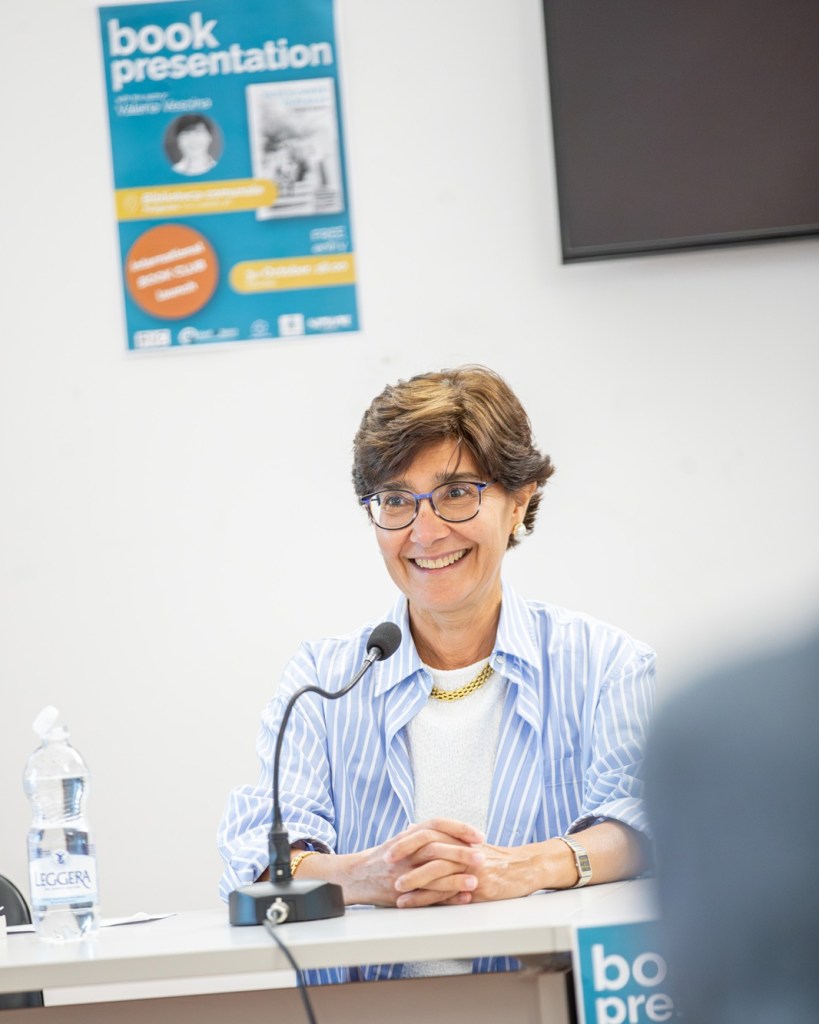
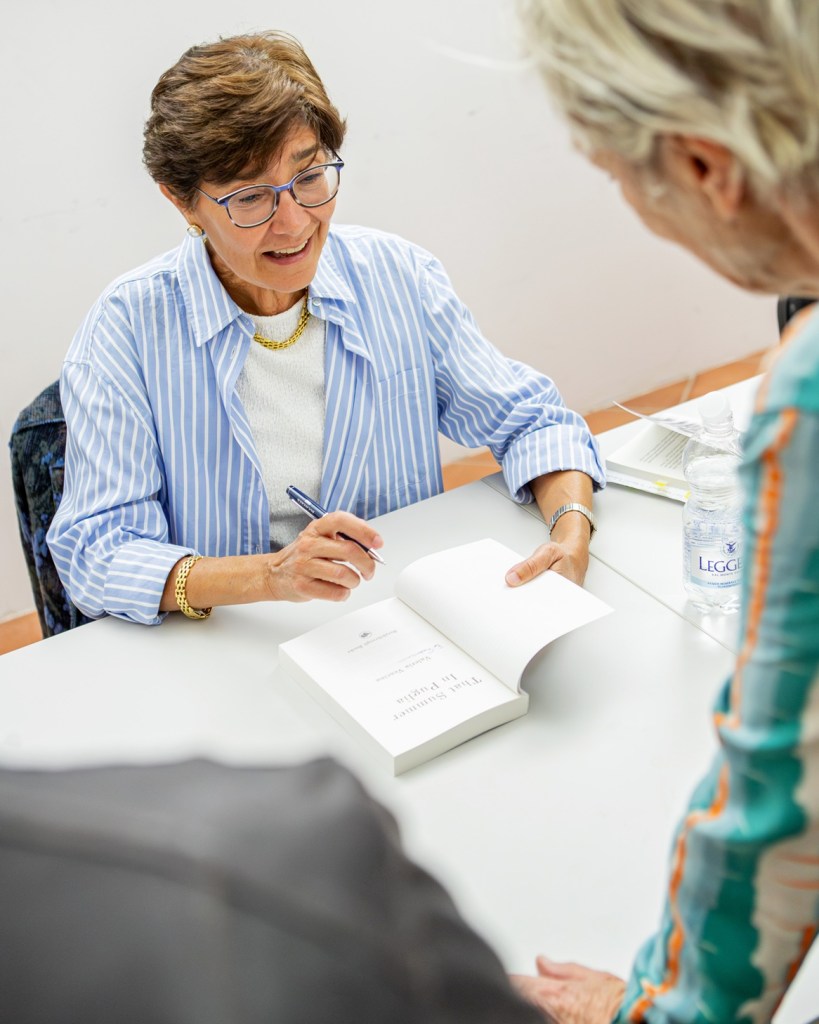
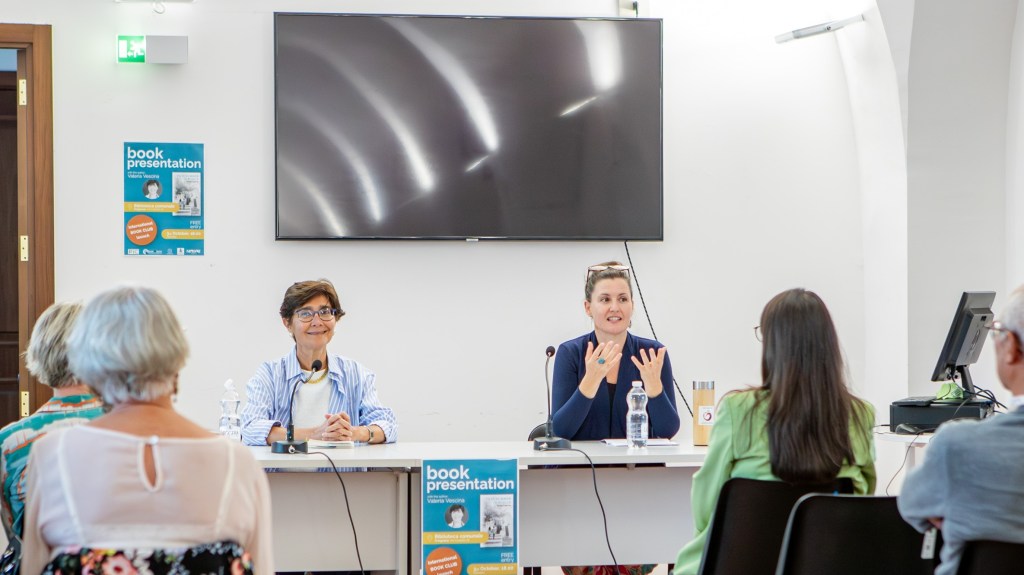
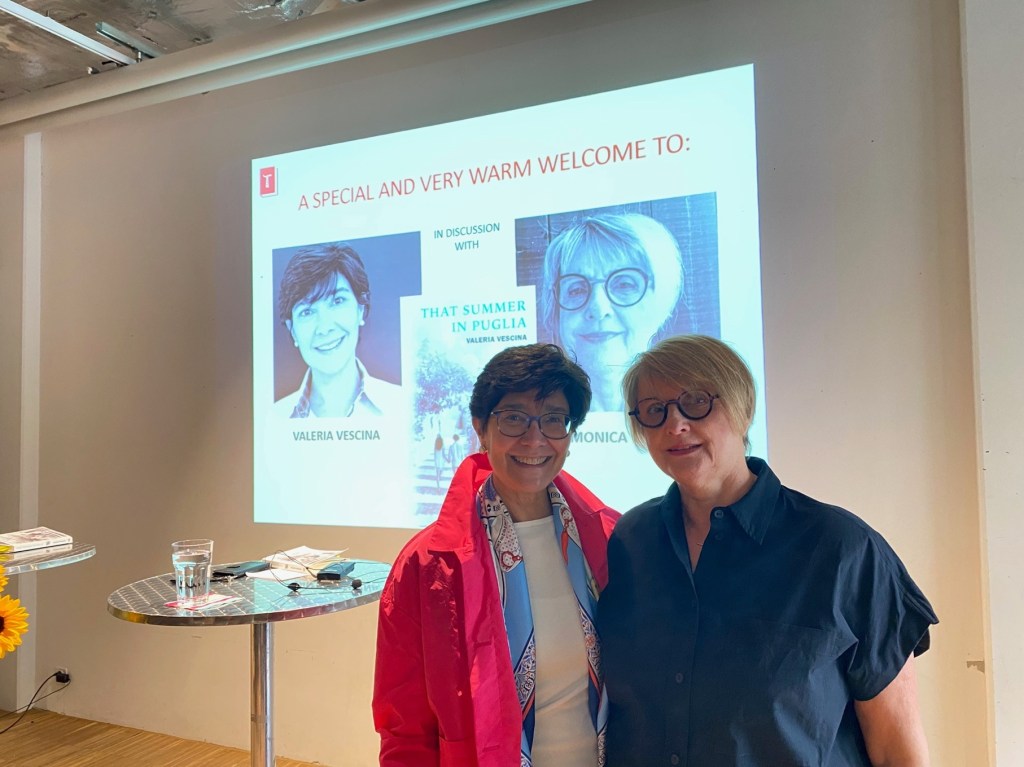
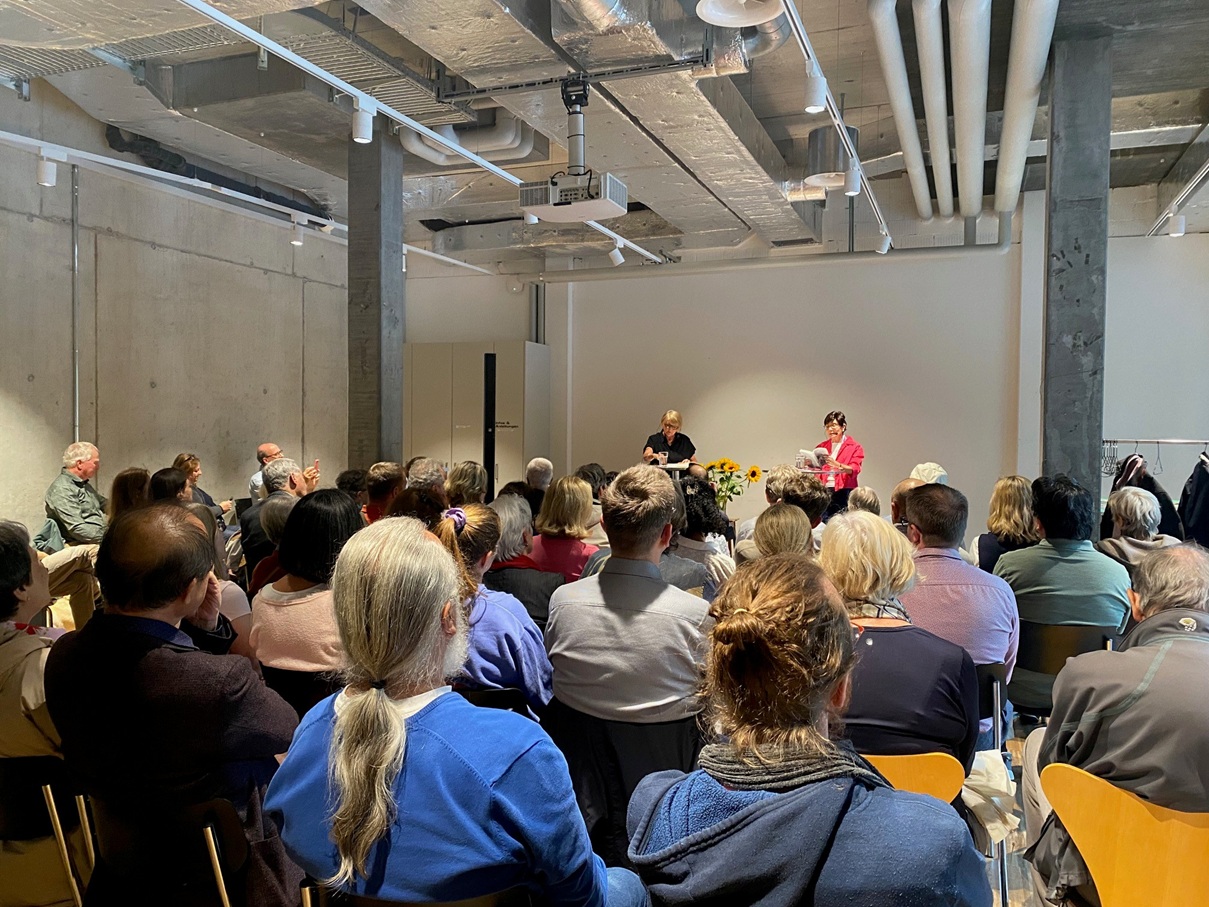
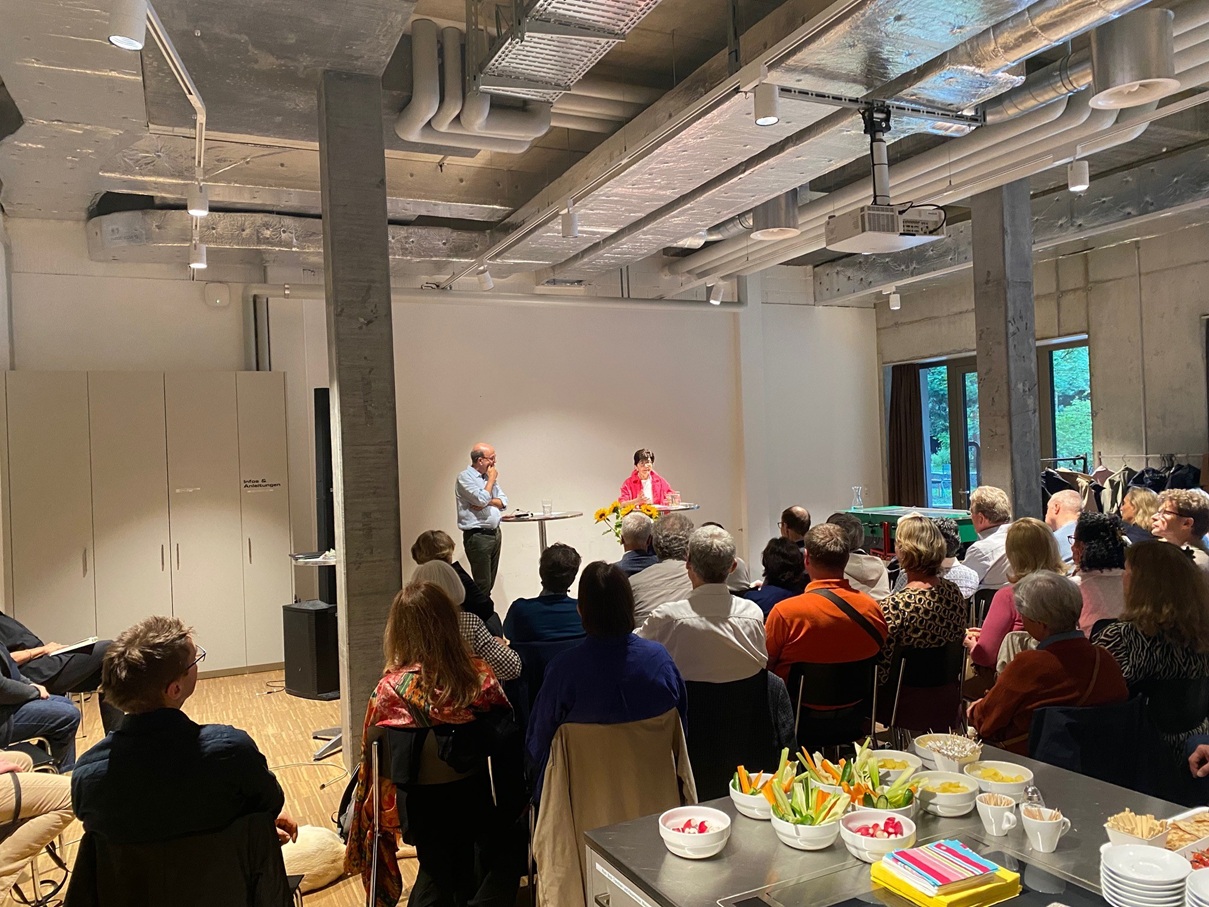
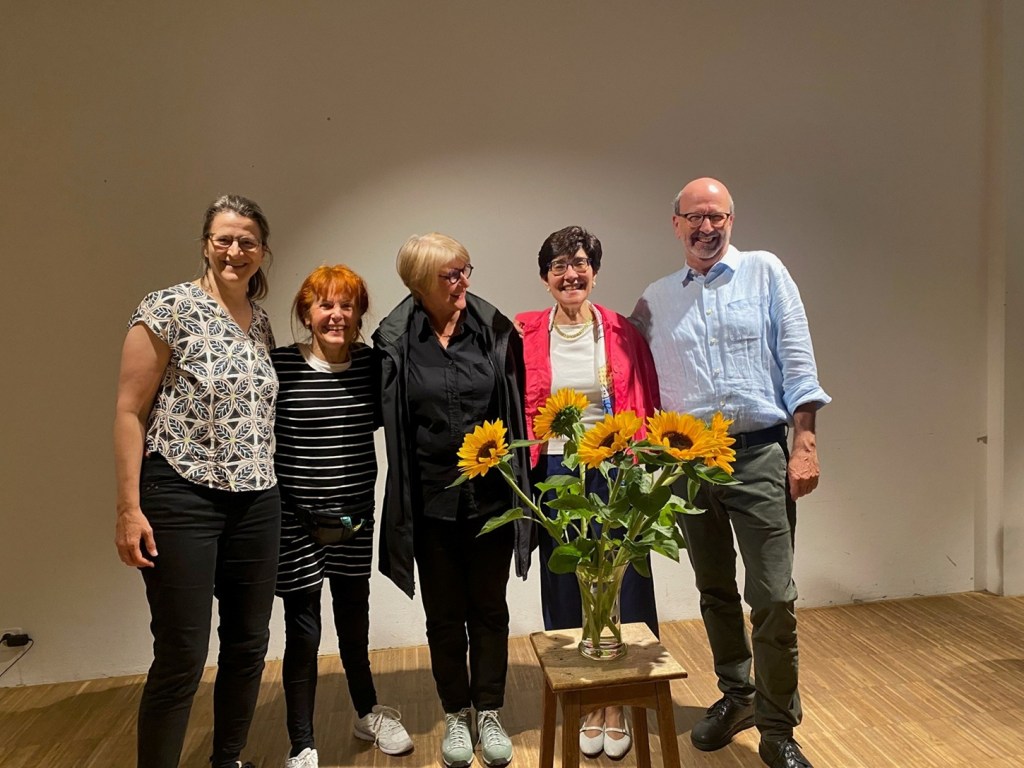
Yesterday I had the joy of an “in conversation” event in Putignano (Puglia) about That Summer in Puglia. The event was organised by the international community there, with the support of the historical library’s director and the Libreria Simone. Thank you, Maria, Ann-Maree and Anita for a memorable evening! I’m also honoured that you’ve chosen That Summer in Puglia as the first title for discussion by your international book club.
Readings of extracts from the novel were interspersed with questions from my interviewer Ann-Maree, and followed by a lively Q&A with the audience. My thanks to them all for a warm, engaged and rewarding discussion. Last but certainly not least, I’m grateful to Massimo Simone for being there with copies of the book.
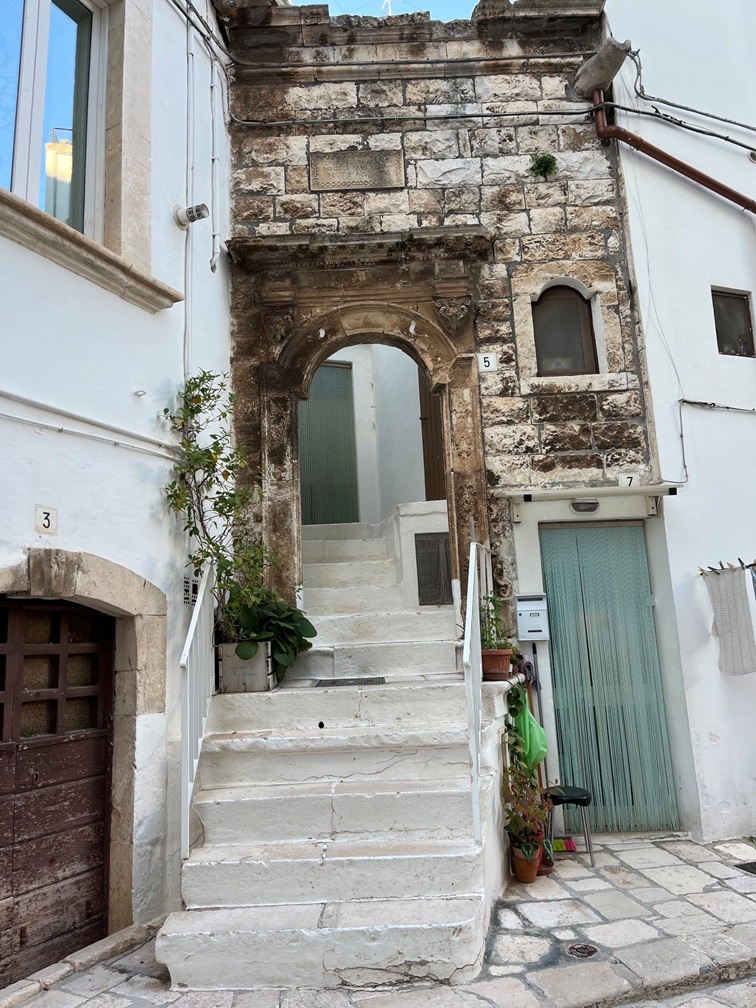
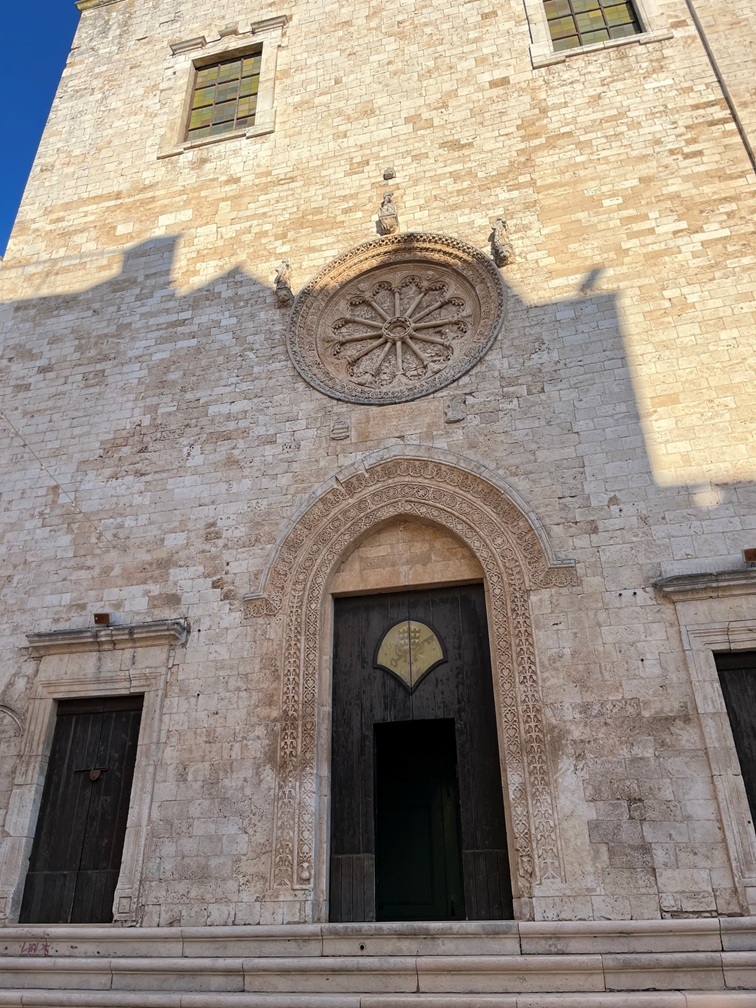
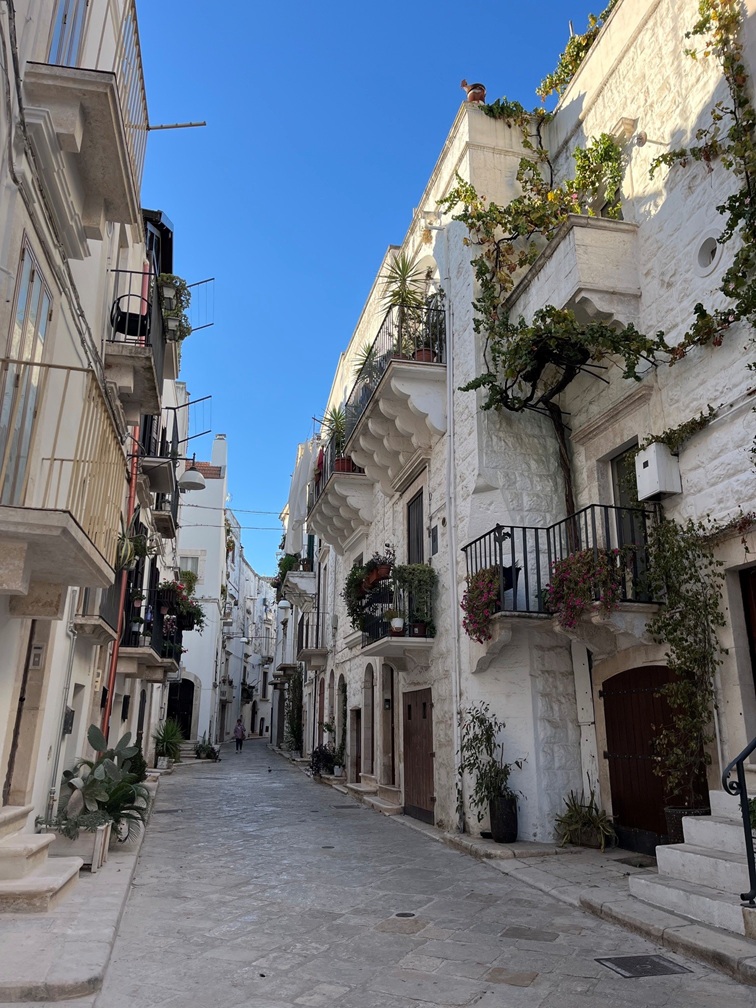
It was wonderful to meet people from all over the world who have chosen to come and live in Putignano, and to discover their many countries of origin: Australia, Britain, France, Hungary, Indonesia, the Netherlands, South Africa… as well as other Italian regions. In discussions before and after the formal part of the event, I loved hearing about their backgrounds and what had brought them to Putignano. The beauty of this historic town and its environs, its lively year-round cultural offering, the quality of the food, the mild climate, and proximity to Bari and its airport all played a role.
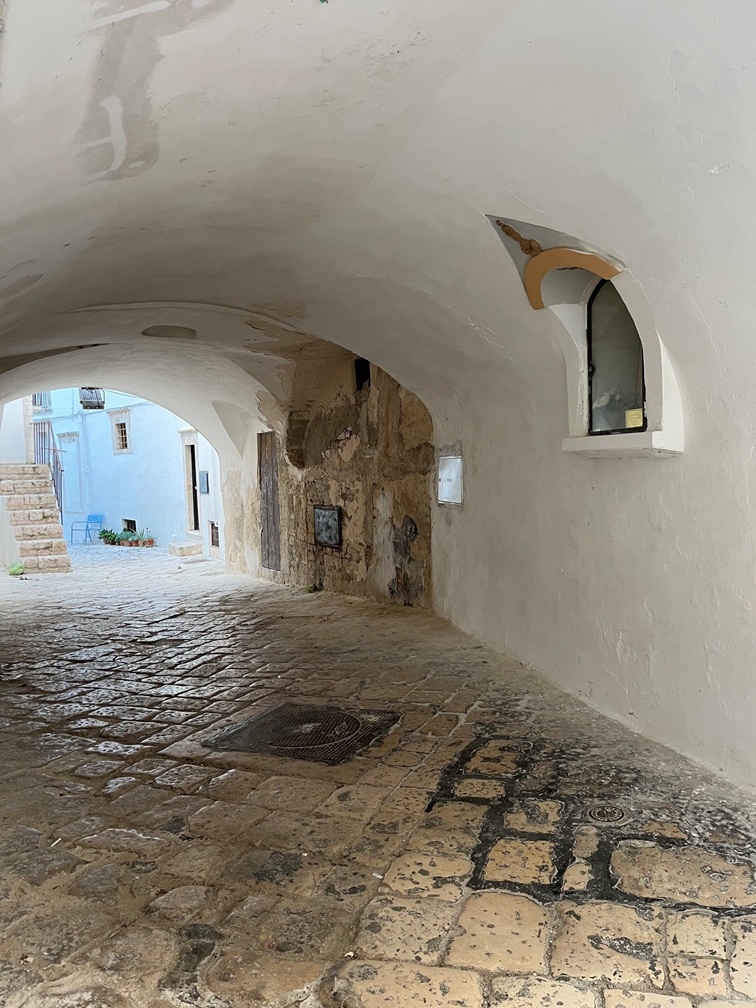
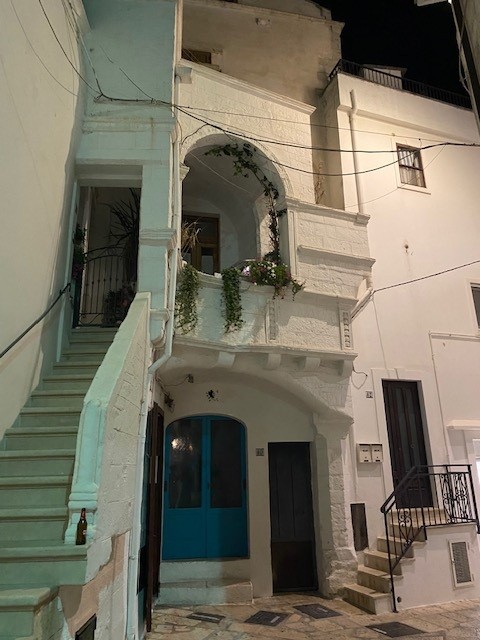
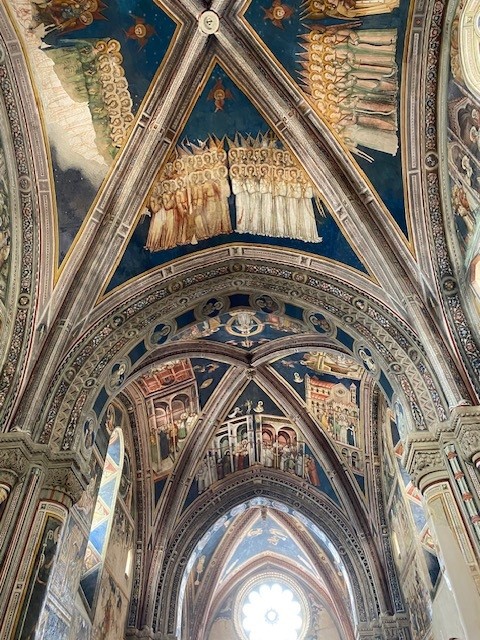
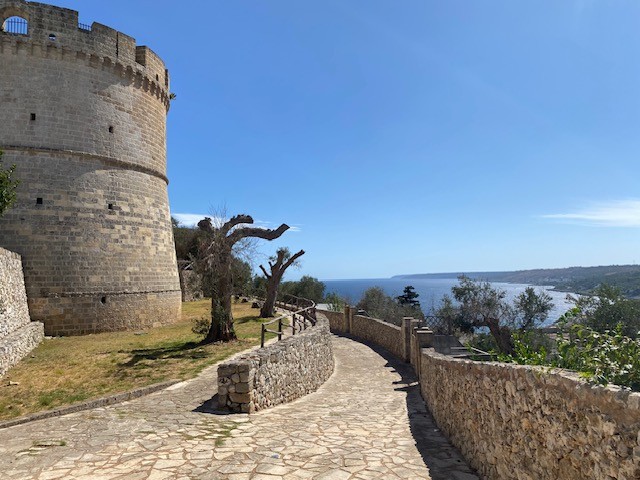
A house in PutignanoThe cathedralA Putignano streetAn alley
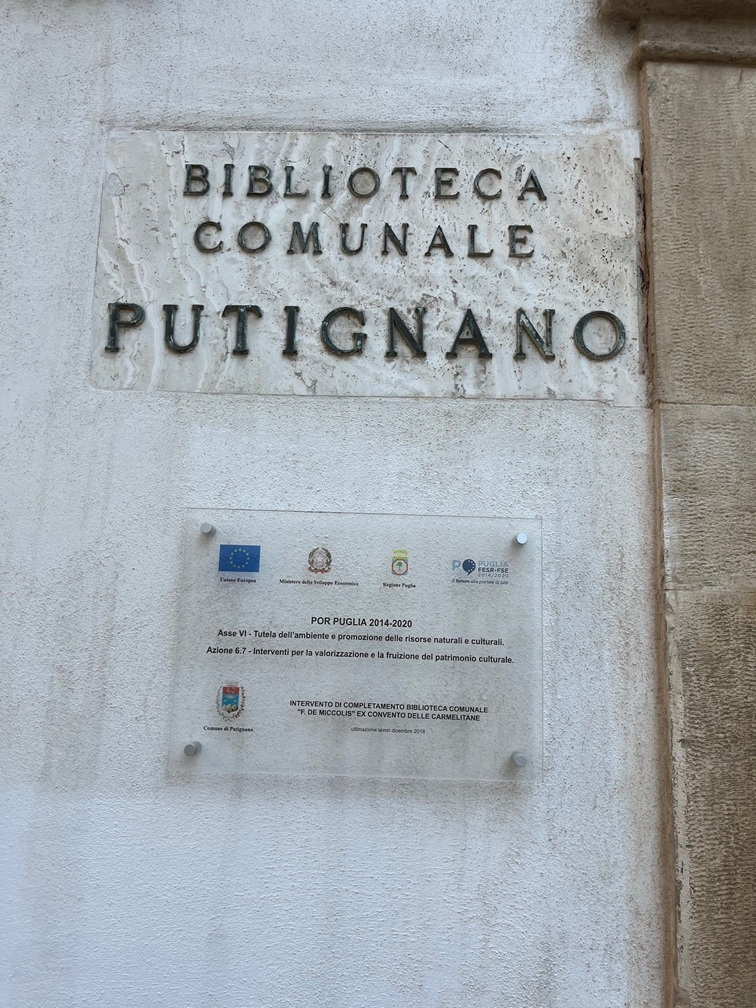
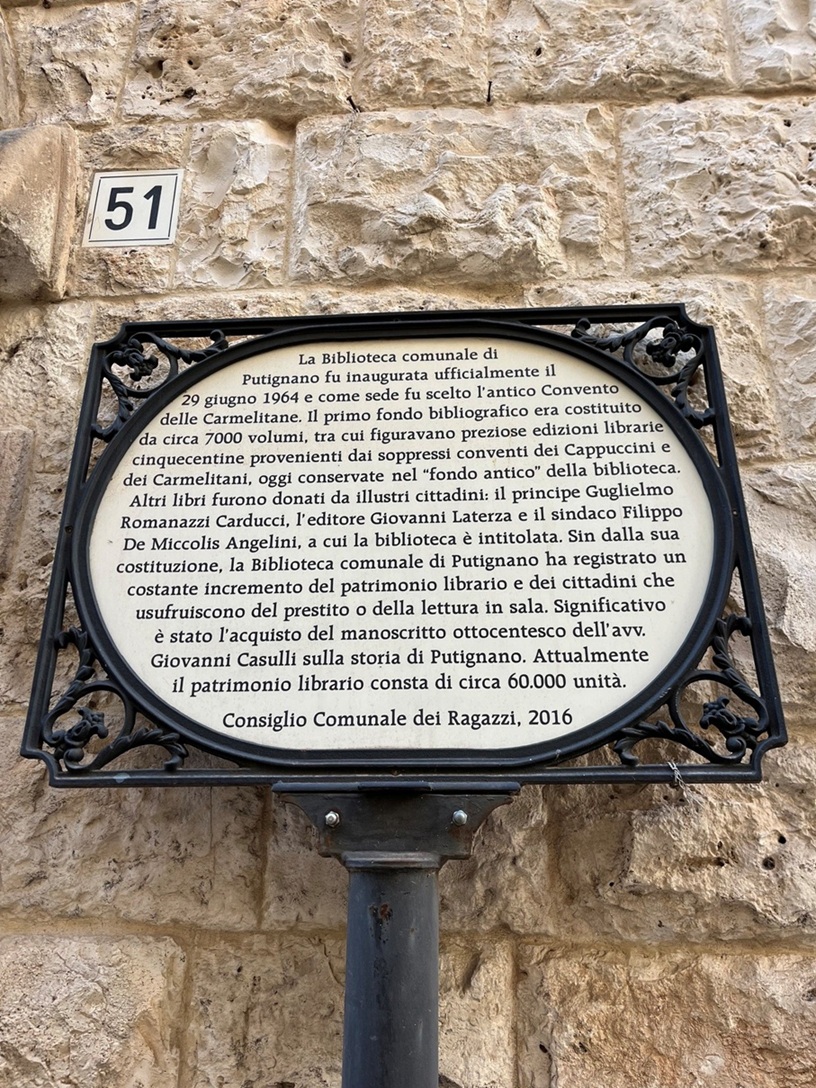
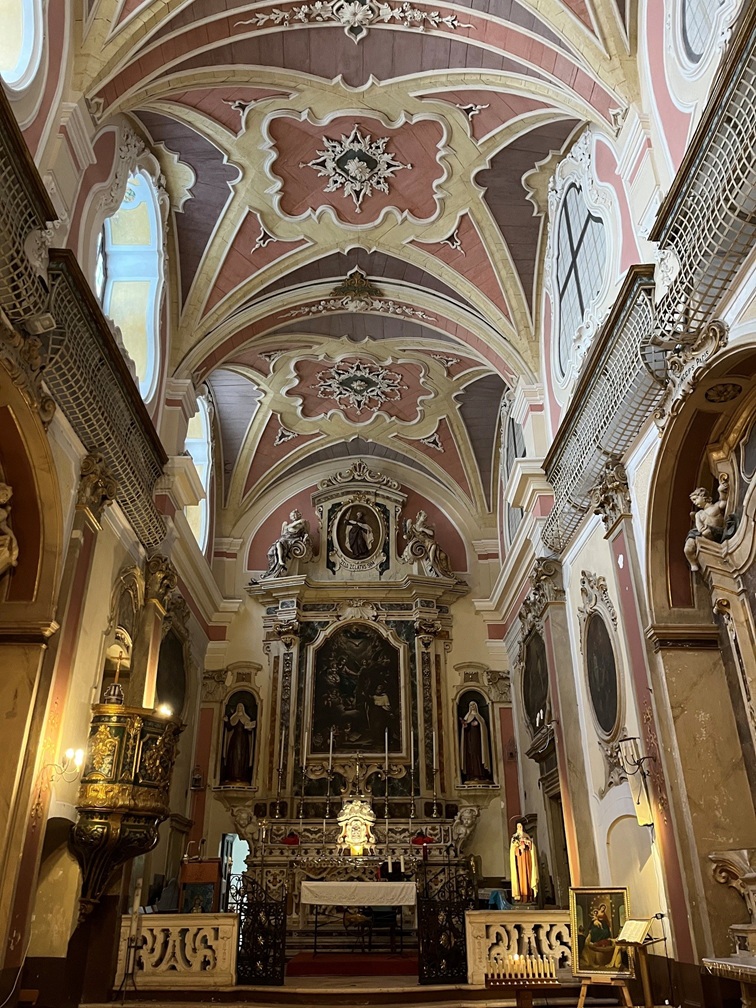
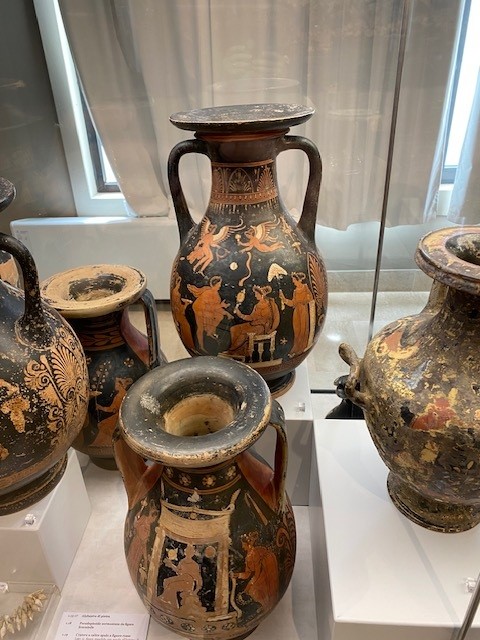
The venue for the event struck me as apt: the library is located in the former convent of the Discalced Carmelite sisters. It was built in the 16th century and houses an important collection of volumes from that era. I happen to be currently deep in the final revisions of my second novel, which is inspired by a true story of Apulian nuns during the Renaissance. It’s due for release in Spring 2027. So, maybe, Putignano, see you again soon…?
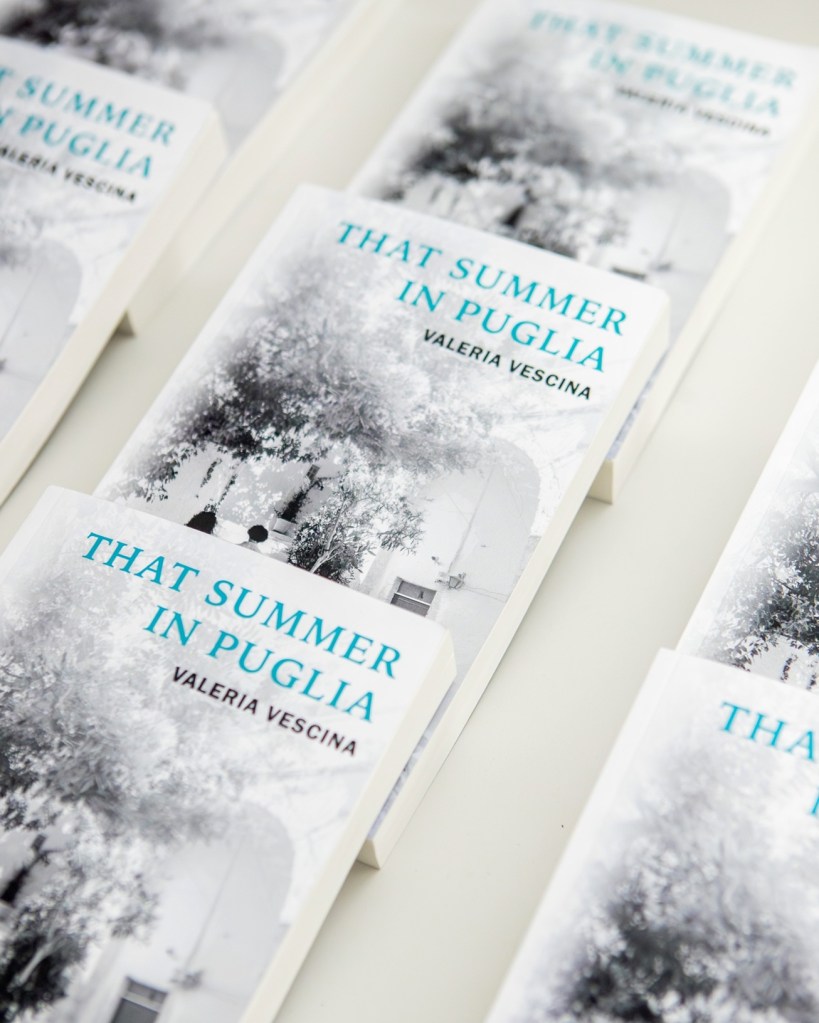
That Summer in Puglia is published by Breakthrough Books and is available worldwide from good bookshops and Amazon.
Image credits:
Photos of the event are by Milan Toth and are reproduced here with permission
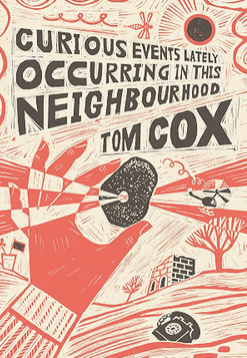
The beautifully written stories in Tom Cox’s collection range from flash fiction to longer form. For me, they made for a refreshing experience, in that they sit outside my usual reading range, which consists mainly of realist fiction. The stories in Curious Events Lately Occurring In This Neighbourhood (Breakthrough Books, September 2026) start out in realistic settings, but then we’re off into the uncanny. Most of them share fantastical elements, sometimes including folklore, ghosts, hints of horror… The voice varies – as it should – for each story but always bears Tom Cox’s incantatory watermark. The playful absurdist vein running through each piece sparks recognition of the many absurdities of modern life.
In Richard’s Existential Diary, the eponymous protagonist wonders not “why are we here?”, but “why aren’t we?”, given our constantly distracted minds. His assertion that he’ll never be famous because “there were no moving images of me as a child that could be used for a bittersweet future documentary” can’t fail to elicit a chuckle (or a wry smile!) in recognition of today’s celebrity-building dynamics. In The Realism Tree, a magical tree prompts people to disclose their most passionate hopes, only to crush them with seeming realism. In All The Underrated Absolute Legends Who Made Us Feel Great When We Were Alive, two elderly residents of a care home regret how uncharitable they used to be in their youth towards people who praised them for small actions, but then the two are merciless towards a woman who pays them a compliment. In The Turning Point, the consequences of an invented episode alter the course of a man’s life. I particularly enjoyed some of the metafictional stories. In Memory Almost Full, authors’ brains develop a hole “when writing mutates from a hobby to a job to an unalterable medical condition”. In The Backlash, an AI author becomes the subject of the kind of literary criticism normally reserved for human writers.
I’ll end with a quote from one of the last pieces, where a sentence encapsulated for me the spirit of the whole collection. “And it is during these times that I most acutely realise how futile my attempts to control the world around me are and that all realities are just stories we tell ourselves.”
Image credit:
The cover is reproduced with permission from the publisher, Breakthrough Books. Cover art and illustrations by Joe McLaren. Cover layout by Jamie Chipperfield.
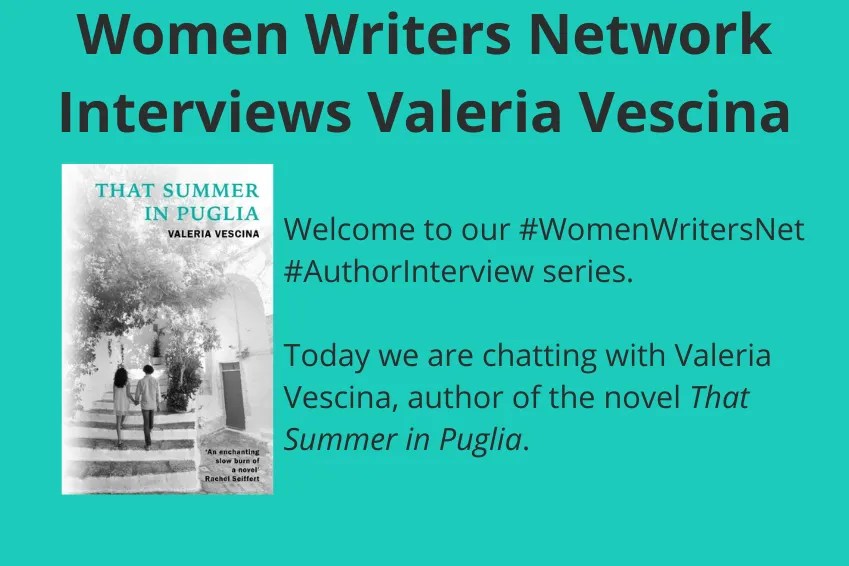
Last Thursday I had the privilege of being interviewed by Helen Murray Taylor of the Women Writers Network about That Summer in Puglia. Helen writes both fiction and nonfiction. She’s the author of the immersive The Backstreets of Purgatory (Unbound, 2018) and the powerful Love Lay Down Beside Me and We Wept (Wilton Square, 2026). The Women Writers Network is an international community active on Bluesky (formerly on Twitter). Founded in 2017, it supports and promotes women’s writing. Its activities include a monthly author interview.
If you have a Bluesky account, you can access our conversation via the links below. If you’ve not discovered Bluesky yet, you’ll find a transcript of the interview further down this page. A few of the attendees also posed questions, which I’ve incorporated in the transcript.
Helen: Welcome, Valeria. To get things started, can you tell us a bit about yourself and your writing career to date?
Sure! I write novels, teach creative writing, and review books. I’m also proud to be a co-founder of the Women Writers Network! My first novel, “That Summer in Puglia”, debuted in 2018 at the Oxford Lit Fest. A second edition of it has just been released by Breakthrough Books, who will also publish my second book, a historical novel, this coming winter.
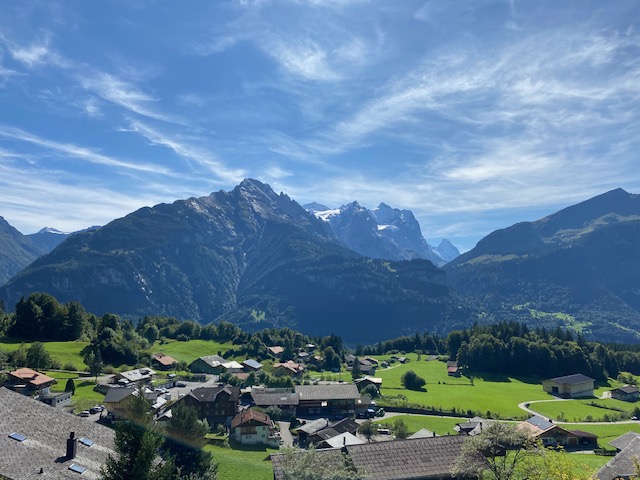
I graduated from the Goldsmiths Creative & Life Writing MA and since 2013 I’ve taught creative writing to people of all ages – from secondary-school pupils to university BA and MA classes. I run 2-3 writing retreats a year in Switzerland’s magical Bernese Oberland.
Breakthrough Books: Has teaching creative writing helped your own craft?
Undoubtedly! I learn something new every time.
Helen: I’ve seen pictures from your writing retreats. What an amazing setting. Can you provide the link?
I’ve also reviewed fiction in translation for the European Literature Network’s The Riveter, opera and lieder for Seen And Heard International, and arts & culture events for the School of Advanced Study’s Talking Humanities. I occasionally review books on my blog.
Helen: Do all these other activities feed into your own writing practice?
For sure! Teaching means that I keep learning, but also that I must keep both my intuitive and my critical faculties working in tandem, in a balance. Writing reviews is similarly enlightening: I owe it to the author to always read as a writer!
Stephanie Bretherton: What made you want to go with Breakthrough Books?
In a risk-averse publishing landscape, Breakthrough Books champions exciting, original, high-quality books. So, it’s a joy to be published by it!
Helen: Without giving too much away, can you tell us a little about That Summer in Puglia?
That Summer in Puglia is set in 1980s Puglia (chiefly in Ostuni) and present-day London. Tommaso has escaped discovery for thirty years – but a young private investigator, Will, has tracked him down in London. Tommaso asks him to pretend never to have found him. To persuade Will, Tommaso recounts the story of his life and his great love, Anna. In the process, he comes to recognise his true role in the events that unfolded long ago in Puglia, and the legacy of unresolved grief. Now Tommaso is being presented with a second chance – but is he ready to pay the price?
Rita E. Gould: Such a fascinating premise of what happened between the opening in present-day London and Puglia 30 years ago. What made you decide to use a frame tale?
It felt completely coherent with the story itself. It’s a long-overdue excavation by a man of his own past.
Rita E. Gould: I loved how it worked! He needed that outside impetus to stop retreating and to re-examine everything.
Helen: Yes, exactly that. Without it he would have hidden from his own story for the rest of his life.
Yes, exactly. I’m happy that you felt it worked. I wanted Tommaso to resist the push by the young PI to excavate his own past, and, at the same time, to slowly feel – as he narrates his life story – a sense of relief as he finally faces up to it.
Helen: The novel is infused with the sights, sounds, tastes and atmosphere of Puglia, which is delightful. Why did you decide to set the novel there?
I felt that my native Puglia offered an ideal setting: its layers of history are integral to Tommaso’s story. His memories of its sensuous colours, aromas and tastes, and of how it felt to love and be loved, and to grieve, eventually overwhelm him and help him open up to Will.
I love my native region and am glad to hear from readers that they feel transported to it. I’m proud that one of the endorsements said, “Here is the discovery through literature of Puglia”.
Helen: That is so true. I felt like I was discovering a region that I didn’t know. Does it sound strange to say that to me its (Puglia’s) presence was almost like another character in the novel?
Not strange at all! On the contrary, I’m glad you felt that. Also to me, Puglia in this book truly is a character in its own right, in that it shapes and tests the protagonists. People who’re not very familiar with Southern Italy often don’t realise just how diverse it is, both between and within regions. Puglia is particularly rich in culture, for historical reasons.
Stephanie Bretherton: I loved the evocative richness of the story. It really made me want to visit the area, and it made me hungry all time! Do you think the Italian part of yourself made the ability to bring all the senses alive in the book a little more natural?
Thank you for that lovely comment (and question!). Yes, it’s my native region, so I know it very, very well. That helps to bring the sensorial details to life – and they’re very important in a story of a man recollecting his long-lost past.
Stephanie Bretherton: Yes, the senses compel us into feeling fully present while also immediately summoning the past!
It’s true of all of us, so yes, it was particularly important for Tommaso’s story.
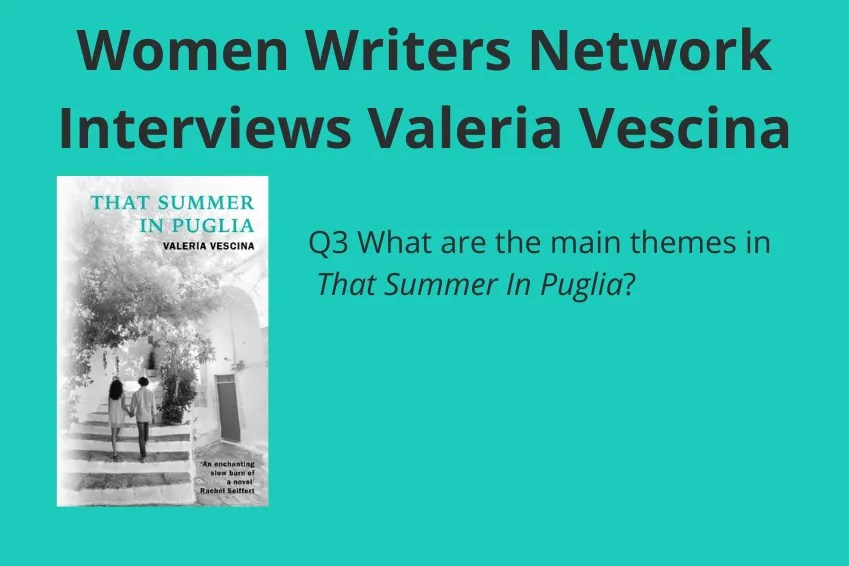
Helen: What are the main themes in That Summer in Puglia?
The novel has several interconnected themes. I did not set out to write to a theme (or two!), though, but discovered them while writing. That Summer is about all forms of love, and about compassion for others and oneself, as I think compassion is a thread running through them.
Helen: I think compassion is such an important theme, especially for our past selves. We can learn from Tommaso ‘s story. Better to face up to our mistakes because without that, we can’t be compassionate and forgiving to ourselves.
Exactly. Without compassion for ourselves and others, it’s so much harder to admit when we’re wrong and to learn from errors!
Rita E. Gould: I love that the compassion applies to everyone, including the PI! Tommaso listens to him and helps the investigator re-examine his pain.
Thank you for pointing that out. Indeed, I did mean it to hint at the fact that Tommaso was opening himself up to compassion, in the process!
That Summer is also about the necessity for dialogue, and the dangers of cutting oneself off from it. And it’s about the process that E.M. Forster called “connecting the fragments”: living with and bridging the contradictions in ourselves and others.
Rita E. Gould: I think communication is so key in this novel, both in the past and in the present.
Helen: You bring this out beautifully in the book. I was so frustrated with Tommaso at certain points because so much could have been avoided by proper communication.
Yes, that was central to the story.
Rita E. Gould: I also think it was quite true to the age of the protagonists — young enough to be impulsive and to believe the worst recklessly.
Ah, yes. Their age is totally bound up with their responses.
Helen: The story is presented as a dramatic monologue by Tommaso to a private investigator. Why did you decide to frame it in this way?
Tommaso narrates his story with the intensity that the resurfacing memories provoke in him. His narration is “framed” by moments with the young PI who has tracked him down. You don’t hear what the young man says but you infer it from Tommaso’s answers. That’s dramatic monologue. Browning used dramatic monologue for “My Last Duchess”, Camus for “The Fall”, Hamid for “The Reluctant Fundamentalist”. It’s not a form you see often, but it struck me as so appropriate for Tommaso’s story! I’ll explain why!
So, why dramatic monologue for “That Summer”? First, it breaks the intensity of Tommaso’s narration. Second, it conveys his isolation. Third, it’s a dialogue of which we hear only one side, and Tommaso caused a tragedy by refusing dialogue.
Rita E. Gould: It makes so much sense! Tommaso is the only who has to speak since he broke down the lines of communication.
The final reason for choosing dramatic monologue for That Summer is that the reader is placed in the position of identifying with the PI and so wavers between sympathy and judgment for Tommaso. That’s appropriate, as he’s an unwittingly unreliable narrator.
Helen: It is the perfect device for mirroring what is happening in the story. Did you decide to do it straight off or did it come as part of a rewrite or edit?
I decided to do it straight off. One of my MA tutors suggested I try also a different form, and I did, for experimentation. But the contrast between the two only proved that the intuition about dramatic monologue being ideal for this story had been correct!
Helen: Tommaso narrates the story in a second language that has become his first. He talks of being “caught out” by idioms. Italian words peppered throughout the novel add to the atmosphere. Could you tell us about this?
For Tommaso’s language, I drew partly on experience. I learned English as a child and have lived in English-speaking environments most of my life, so I’m fully bilingual. Tommaso, on the other hand, starts learning English only aged 19. I’ve therefore given him a recognizably Italian accent and have him being “caught out” by idiomatic expressions, as he has learnt much of his English from books. I also peppered Tommaso’s narration with Italian words. This can only be done sparingly, to avoid breaking the flow for the reader. So, Italian words appear either in particularly emotional moments, or to describe something especially Apulian.
Helen: You do this perfectly. Also, there is something singular and beautiful about your writing and I wonder whether you think it is influenced at all by being able to speak several languages?
Thanks for that lovely comment! I suppose being a linguist (I speak 4 languages) involves both a love of language and a heightened awareness of its structural and lexical possibilities. Maybe it’s bound to flow into a mixture of intuitive and conscious narrative choices.
Helen: What a wonderful gift for a writer to have the richness of four languages to work with. Very envious and impressed, Valeria.
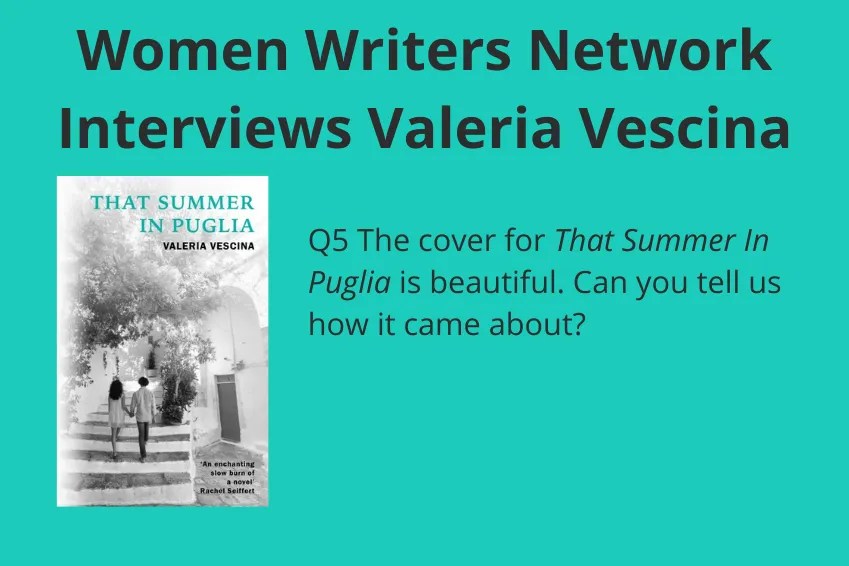
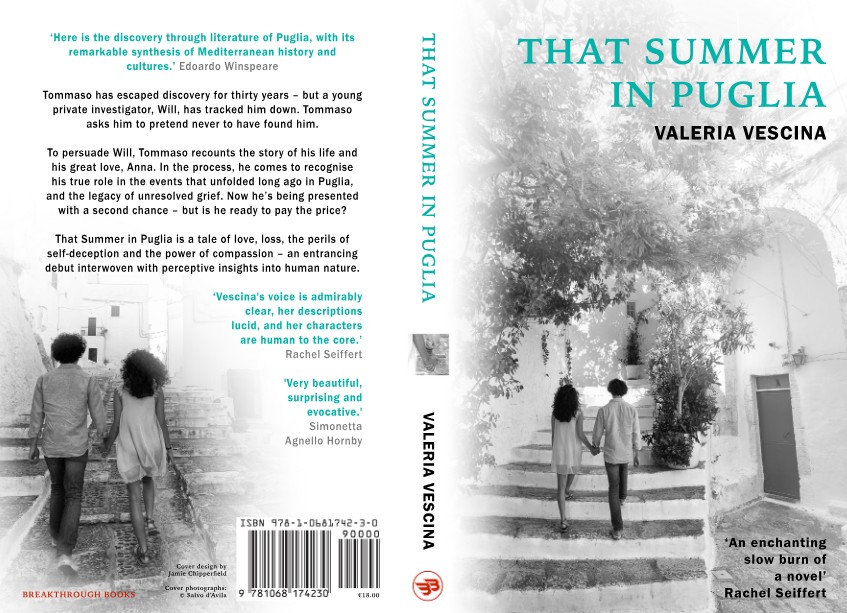
The cover for That Summer in Puglia is beautiful. Can you tell us how it came about?
The cover photo was taken by photographer Salvo d’Avila as part of a shoot to capture the novel’s spirit. It shows a young couple in the old town of Ostuni, the novel’s main setting. It’s in black & white, and you see their backs. It conveys a sense of memory and nostalgia.
Breakthrough Books’ Jamie Chipperfield then designed the cover, and I love it. He heightened that sense of memory and nostalgia with a fading effect along the photo’s edges. And the blue-green of the title’s font evokes both the sea and the couple’s youth. I also like how dynamic Jamie Chipperfield made the back cover, with the blurb in black and the endorsements in the same blue-green of the title on the front.
Breakthrough Books: Jamie did such a good job! He really captured the spirit of young love, nostalgia, and a sense of the ‘unknown’ – it also has a timeless feel.
I agree! Not just a beautiful cover, but it captures so many aspects of the story!
Conveying the sense of nostalgia was important: it’s the nostalgia that Tommaso’s narration is infused with but that he refuses to acknowledge because it would mean recognising reality and therefore his responsibility in the events of years earlier. His nostalgia manifests by his selective recall of the beauty of Puglia: sights, sounds, aromas, tastes… They are all true, but he disregards the rest of a more complex reality. His refusal to acknowledge his nostalgia shows also in the way he depicts other protagonists. Almost until the end, Tommaso fails to acknowledge the humanity of people he casts in the role of villains, as he subconsciously fears opening a crack in his self-narrative. The PI forces him to excavate his past and to face up to his own role in the events of 30 years earlier.
Helen: The cover beautifully evokes this sense of nostalgia.
My thanks to designer Jamie Chipperfield and editor-in-chief Stephanie Bretherton at the wonderful Breakthrough Books for that!
Breakthrough Books: It was a joy to work on!
Helen: Where can we find out more about you and your books?
You can find me on my website (https://valeriavescina.com/) and on social media: Bluesky, Facebook, Instagram and LinkedIn. My second novel, Habit of Disobedience, will be forthcoming from Breakthrough Books this winter, and it too will be available from all good bookshops.
Breakthrough Books is an innovative independent press that emerged out of a collective of established authors. As I said earlier, in a risk-averse publishing landscape, it champions exciting, original, high-quality books. Being published by them is a joy. Here is a link to the Breakthrough Books website: https://www.breakthroughbookcollective.com/
Helen: Very exciting! Can’t wait to read it. We will have to have you back for another author interview when this one comes out. I am already anticipating lots of possible questions and I haven’t even read it yet!!
Rita E. Gould: I love a disobedient nun! I can’t wait to read this book.
Thank you, Rita! I’ve grown to love the “disobedient” 16th-century nuns who inspired the novel.
Helen: We are really looking forward to the release of Valeria’s second novel, Habit of Disobedience.
Thank you, Valeria, for chatting with us, and thank you to all who took part in tonight’s Author Interview. To find out about future events, make sure to follow us on Bluesky and the hashtag#WomenWritersNet.
Thank YOU, Helen Murray Taylor and the whole WomenWritersNet team, for this opportunity to chat with you at length about That Summer in Puglia! And thank you, of course, to all attendees and readers of our conversation!
Rita E. Gould: I’m so glad I came to tonight’s WomenWritersNet Author Interview! I think I love That Summer in Puglia even more after learning about all of the thought that Valeria Vescina put into this moving novel.
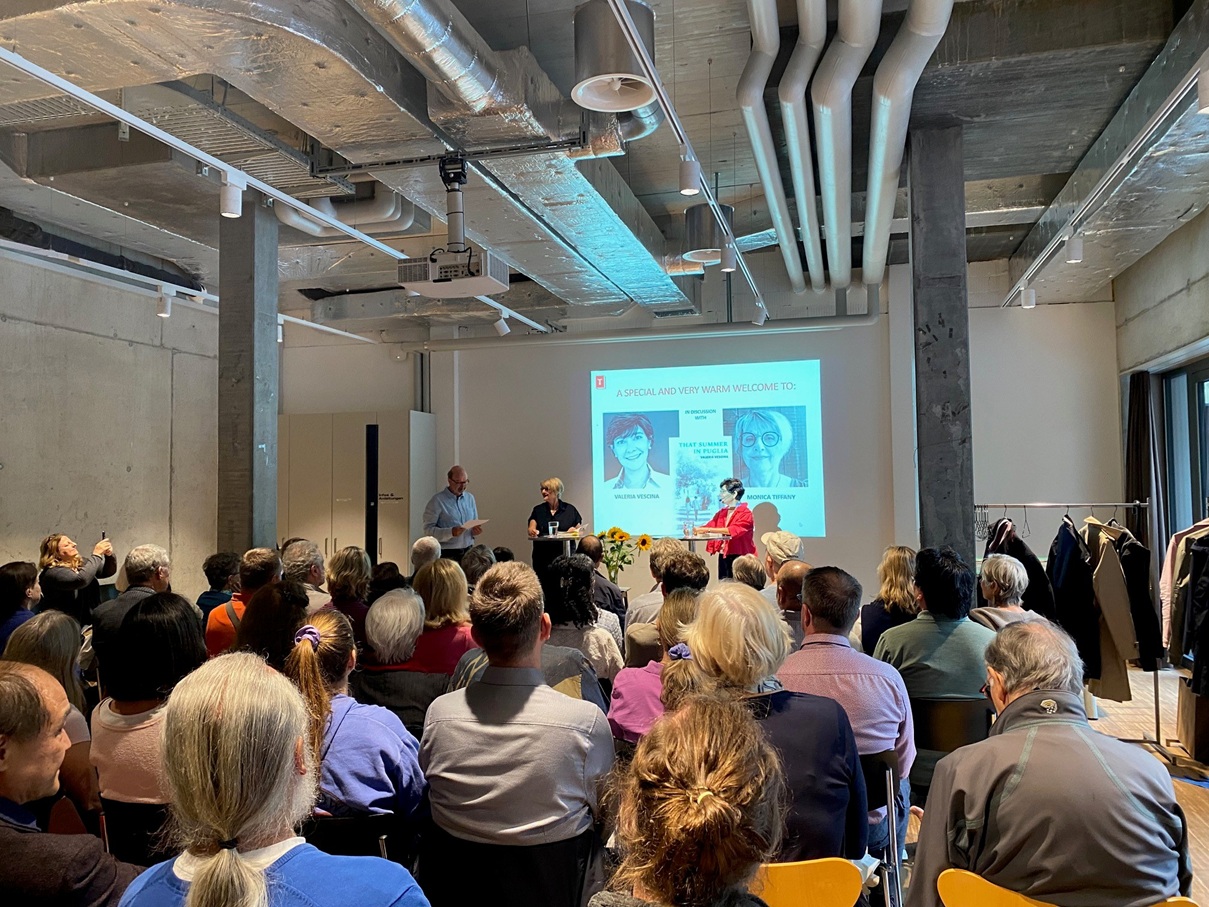
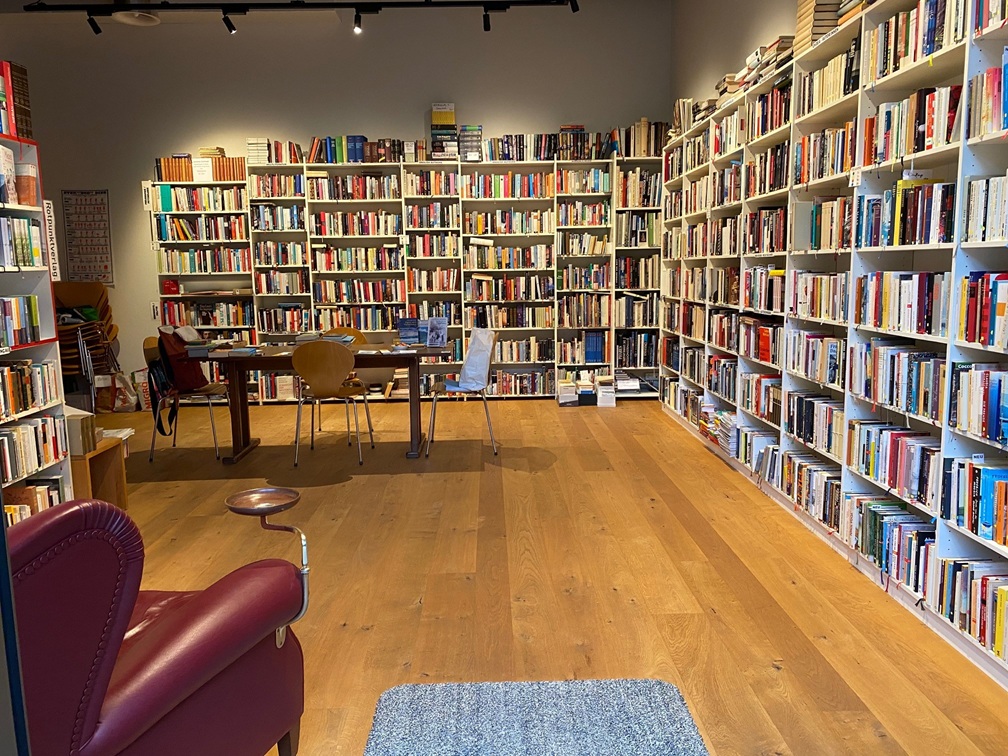
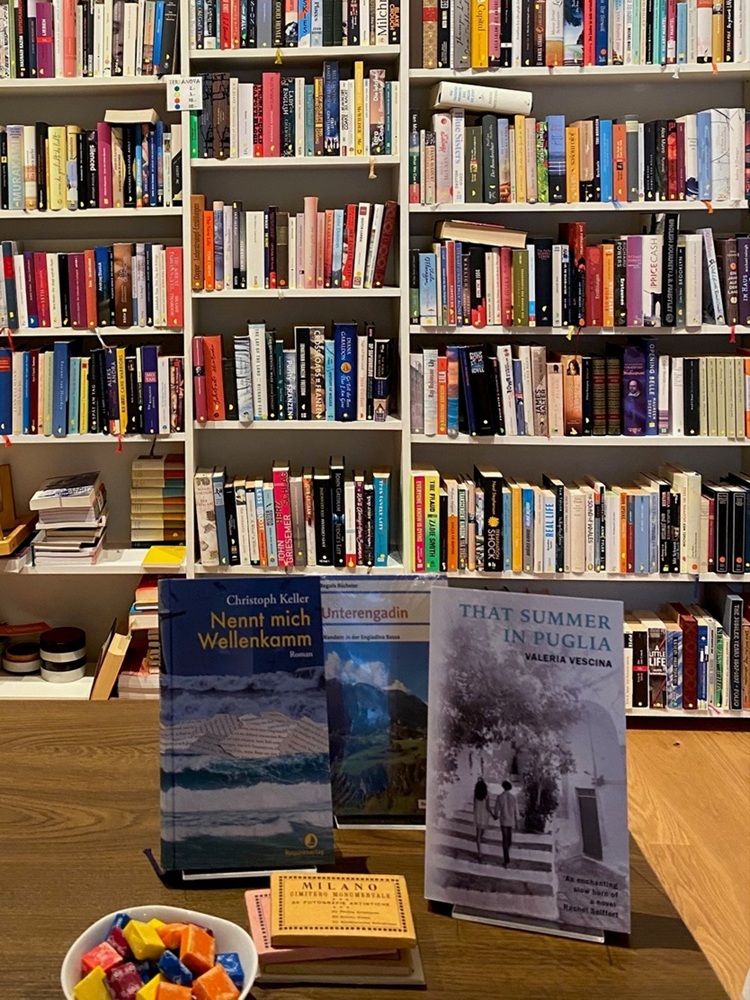
The recent event at the Terranova bookshop in Lucerne was among those I’ve enjoyed the most, out of all my readings from That Summer in Puglia. I had presented my novel widely when it first came out in 2018, and the event this June was to launch the second edition (Breakthrough Books). Having moved six years ago from London to the Lucerne area, I was especially pleased to be sharing my work with people in my new ‘home’. I’ve been reflecting on what else made the evening so special for me, and I think it’s down to a combination of factors.
The enthusiasm of Terranova’s Ottilia Lütolf and Markus Elsener meant that I felt warmly welcomed from the outset. They stock titles in several languages and in translation (another element that connected us, as I collaborated for years with the European Literature Network), and regularly organise fabulous literary evenings. This would be their first in English. They made the event’s promotion effortless for me, as they could rely on their experience and established channels. I added to it by reaching out to Lucerne’s international community.
My interviewer, Literature and Philosophy lecturer Monica Tiffany, had read the novel with exceptional attention and sensitivity, so her questions and comments were incredibly thoughtful, as well as heartfelt. It made the conversation between us flow so naturally! We touched on the story, its themes, the characters’ arcs (while avoiding spoilers…), the centrality of the Apulian setting, the veiled references to philosophy, and narrative choices such as the use of the dramatic monologue form.
The public was wonderfully responsive. They asked lots of questions during the Q&A session, as well as afterwards when I was signing copies of the book. It was lovely to see friends in the audience, and lots of interesting people I had never met until that evening.
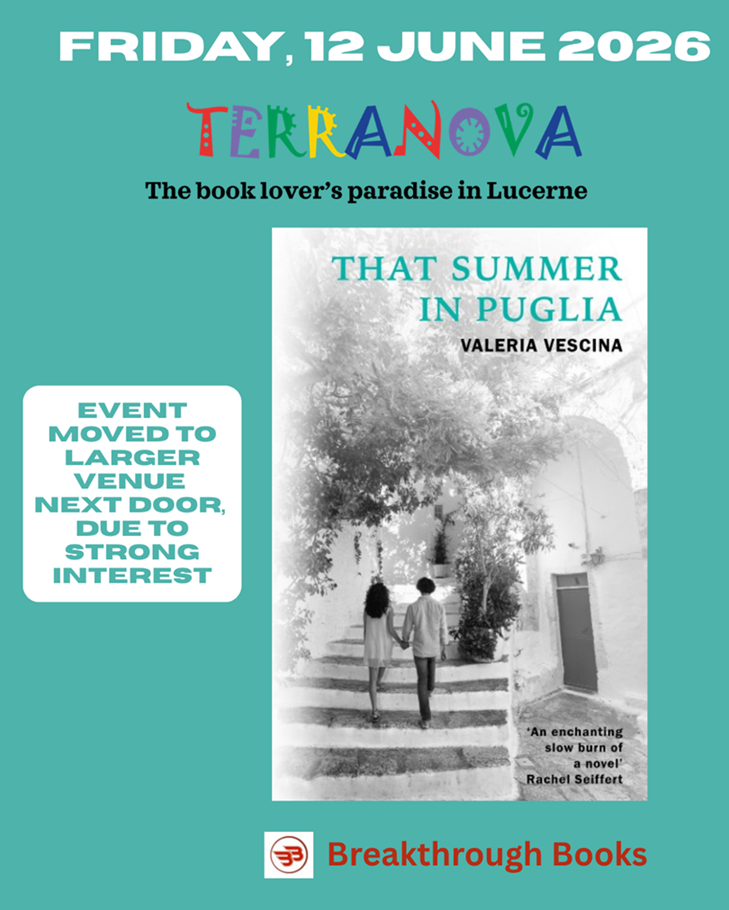
The event space also fostered this warm atmosphere. The conversation between Monica Tiffany and me had originally been meant to take place at the Terranova bookshop, an attractive and cozy place. Demand for seats, however, turned out to be higher than we had imagined. A substantial waiting list and the possibility that additional people might arrive on the night without having contacted the bookshop prompted a search for a larger venue. Markus was able to secure the Himmelrich events hall, just a few doors down, and so we were thankfully able to accommodate just over fifty people.
The drinks and snacks with which, after the talk, we celebrated the launch of That Summer in Puglia’s second edition created a veritable party feeling. People stayed at the hall until late into the evening. It was so enjoyable to meet everyone. What can I say? It really was a warm welcome for my novel… and for me in the country where I now live.
Maria, Ottilia, and Markus of Terranova, with Monica and me in the centre
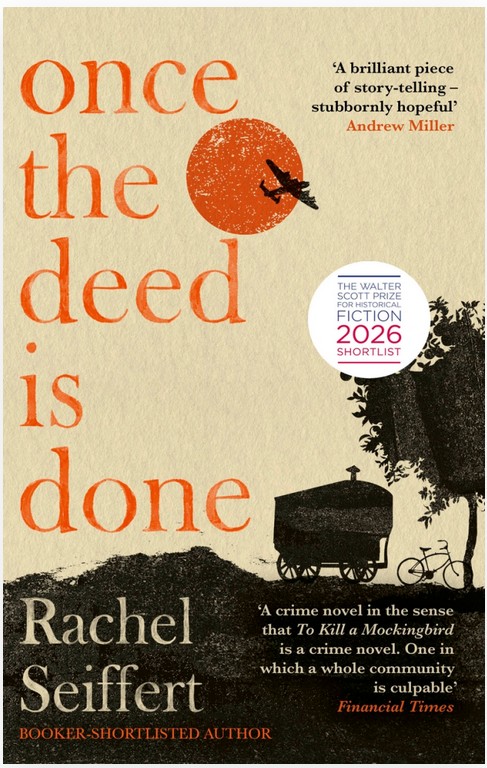
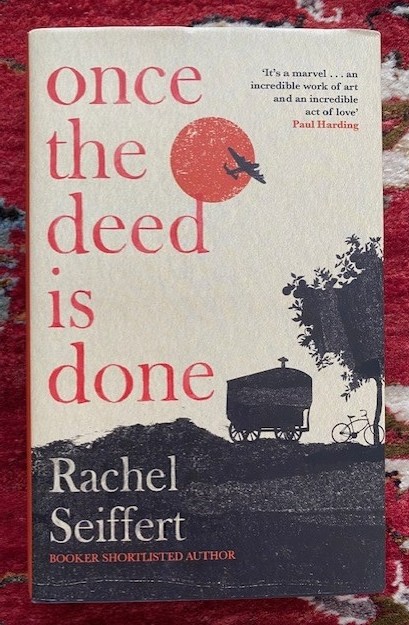
‘How dare we predict the behaviour of man?’ wrote Viktor Frankl, Austrian psychiatrist and holocaust survivor, and author of Man’s Search for Meaning. His quote is at the front of Alice Jolly’s The Matchbox Girl (Bloomsbury, November 2025), but the theme at which it hints is shared also by Rachel Seiffert’s Once The Deed Is Done (Virago, March 2025). Both books are on the 2026 Walter Scott Prize for Historical Fiction shortlist, and I wholeheartedly recommend them. These beautifully written and painstakingly researched novels will steep you in life under Nazism and make you ask yourself an uncomfortable question: how might you have behaved under those circumstances? Of course, each of the two books handles several other themes.
I begin with Rachel Seiffert’s Once The Deed Is Done, which I originally reviewed more briefly under ‘My top historical fiction reads’ in May 2025.
Once The Deed Is Done sheds light on a page of history rarely covered in fiction, immersing us so deeply in the events and in the protagonists’ inner and outer worlds that it feels as if we were there.
Lüneburg Heath, Northern Germany, 1945. It’s March, and the Reich’s defeat is imminent. We follow the thoughts and actions of the residents of a small town through multiple narrators’ points of view: young and old, those who were faithful to the Nazis, those who put up quiet resistance to them… Something mysterious and sinister happens one night on the town’s outskirts, near the munition works manned by Eastern European forced labourers. Fragments of that night’s events transpire slowly, as some of the townsfolk were there, or watched from a distance, or heard rumours.
We eventually discover what happened, through the eyes of a British Army sergeant, of a young fugitive carrying a baby in her arms, and of Ruth, a British Jewish Red Cross officer. Ruth and the sergeant oversee a camp for displaced people, set up by Allied forces at the war’s end on the town’s outskirts. There, we track the fortunes and inner lives of a large cast of characters: men, women, and two children who are among the hundreds of thousands forcibly transported by the Nazis to work in German factories and farms. Among them are mothers separated from their children, and vice-versa. Ruth works relentlessly to find the whereabouts of their loved ones, a Sisyphean task in the immediate post-war chaos. She faces tough choices every day: whether to ignore evidence of black-market activity in the camp or not; to move the two children to Hamburg, where they would be better catered for, but where their chance of finding again those they love would be lower, unless… Nor is repatriation the wish of every displaced person: those from Poland and Ukraine fear returning to lands now under Stalin’s control.
Few novelists can weave such a compelling narration through so many characters’ perspectives. Authors capable of it reward us with an uncommonly rich reading experience. We hear both the choral effect and the individual voices. Seiffert does not shy away from the enormity of the horror at the centre of this novel, but she also paints the minutiae of every character with the finest brush. The protagonists are three-dimensional people. The town where the shocking events have taken place is both itself and a microcosm of Germany: who supported, who acquiesced in, who resisted Nazism? One of the characters, the yard man Herr Brandt, realises the only reason he’s not on the Allies’ list of Nazi sympathisers is that he was not awarded a manufacturing contract he desperately sought. He contrasts his own cowardice with schoolmaster Arno’s brave dissent, and yet Arno feels a coward for not having done more.
Through her unsentimental and yet moving prose, Seiffert lays out the facts, and poses questions that linger in the mind about the past and the present. That is what the best historical fiction does. Seiffert’s novels have received well deserved recognition: one was shortlisted for the Booker Prize, another three were longlisted for the Women’s Prize… How wonderful to see Once The Deed Is Done on the shortlist of the Walter Scott Prize for Historical Fiction 2026.
Meet narrator Adelheid Brunner, a fictional Viennese neurodivergent 12-year-old when the book opens in 1934. She is the eponymous “matchbox girl” by virtue of her obsession for collecting and organising matchboxes. Adelheid refuses to speak, seeking safety in her silence, as she finds it difficult to understand what’s appropriate to say. ‘Staying silent’ is a recurring motif in the novel: some silences protect people, while others prove fatal. Adelheid’s complexity and her compulsion to understand things, to categorise them (into binaries which they resist), and to write them all down make her an engrossing narrator.
Much of the action takes place in the Curative Education Ward of the Vienna Children’s Clinic, where Adelheid is sent as a young patient and where she later works. From the very start, events in the outside world shape the lives of everyone in the ward: patients, doctors, nurses… From the murder of Chancellor Dolfuss, all the way to post-WW2 reconstruction, we follow history in the making through Adelheid’s unflinching gaze. Many of the events and behaviours she witnesses confound her because, with the advent of Nazism, reality acquires an upside-down quality. In a memorable paragraph, Dr Josef Feldner, one of the doctors on the ward, warns Adelheid that they’re now in a world in which she must do “the Wrong Thing in order to do the Right Thing” and that others must pretend not to see her doing it.
Feldner is one of many real-life characters in the novel. He bravely rescues a Jewish boy by passing him off as his nephew – an open secret which his colleagues keep. As readers, we’re plunged into the darkness and moral ambiguities the hospital staff navigate. Dr Hans Asperger, who sees the individuality and potential of every child in his pioneering research and work on autism, is the same man who signs off on the transfer of dozens of children to the notorious Am Spiegelgrund, where many are murdered. The insightful Dr Anni Weiss and Dr Georg Frankl leave Vienna and emigrate to the US because they are Jewish. Sr Viktorine Zak (whom Asperger called ‘a genius’) shines for her profound love and warm care of the children – she must have chosen to stay and look after them, knowing and not knowing about the encroachment of eugenicist ideology on the Children’s Clinic under Dr Franz Hamburger.
We’d all like to think we’d be as brave as Dr Feldner under the same atrocious circumstances – but would we be? The novel instills a sense of humility: the acknowledgment that most of us are fortunate (so far) not to be put to such tests. Where would we personally draw the line between compliance and resistance? Another of the novel’s epitaphs comes to mind, this time from psychiatrist and autism researcher Lorna Wing: ‘Nature never draws a line without smudging it’. How clearly can we draw one between ‘normal’ and ‘pathological’ behaviour? And between survival and collaboration?
The novel is superbly written and engaging. Adelheid has a strong voice and a complex perspective. The narration moves at a fast pace, taking in the stories of all the central characters. Alice Jolly is to be applauded also for highlighting the contributions of many people to our understanding of neurodiversity: the focus isn’t solely on the controversial Dr Asperger, but also on the forgotten Drs Feldner, Weiss, and Frankl, and Sister Viktorine Zak, whose character is particularly moving. How good for her to be given visibility: being a woman and a nurse, she features little in histories of autism, despite Asperger’s high esteem of her. Recognition of her work seems apt also because yet another ‘gender gap’ – in the diagnosis of autistic girls and women – has finally been addressed in very recent years.
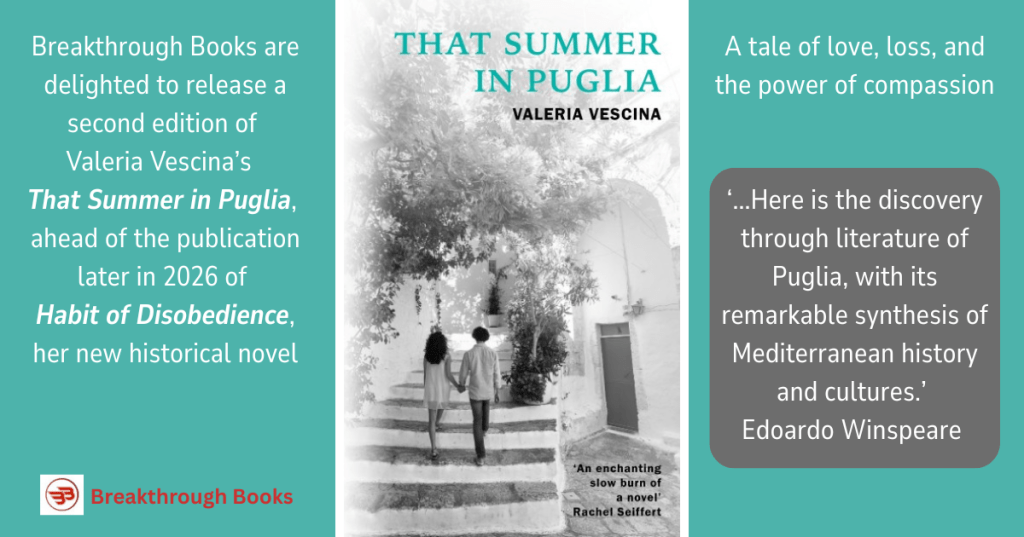
This weekend marks one month from Breakthrough Books’ release of That Summer in Puglia‘s second edition, in paperback and on Kindle. The first edition was launched in 2018 at the FT Weekend Oxford Literary Festival and had three print runs. I hope the book will continue finding its way into readers’ hands far and wide.
I’m grateful to Stephanie Bretherton, Breakthrough Books‘ editor, who is a joy to work with, and to Jamie Chipperfield for his gorgeous cover design, which captures the nostalgia of the narrating protagonist, Tommaso. Breakthrough Books will also be publishing my second book Habit of Disobedience, later this year – it’s a historical novel inspired by events that took place in Puglia in the 1500s.
Breakthrough Books held a ‘countdown’ for the release, on several social media. Here, a few images.
Other posts, including two short extracts from the novel, have followed over the last thirty days.
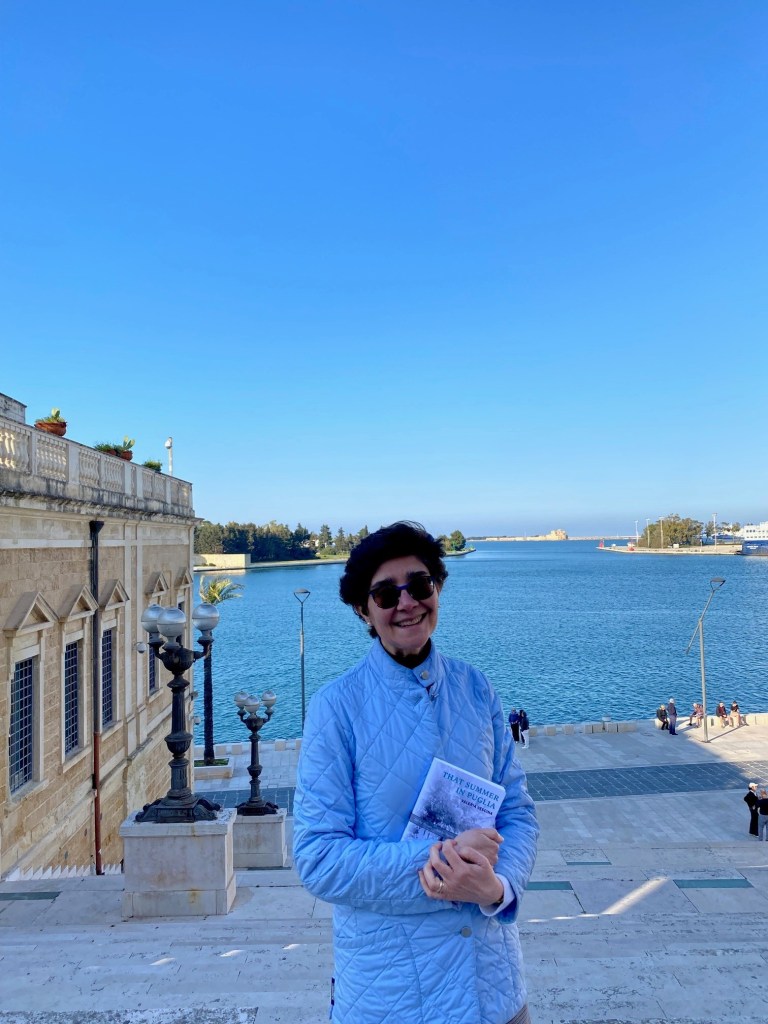
On publication day, I was… in my native Brindisi! That’s where a key section of the novel is set, while most of the story takes place in Ostuni, just 35 km up the Adriatic coast. Behind me in this photo you see Brindisi harbour: it isn’t just beautiful; it has also ‘seen’ major historic events over the last couple of thousand years (that would take a whole other blog post!). In this photo I’m the happy holder of a proof of the book! 😉
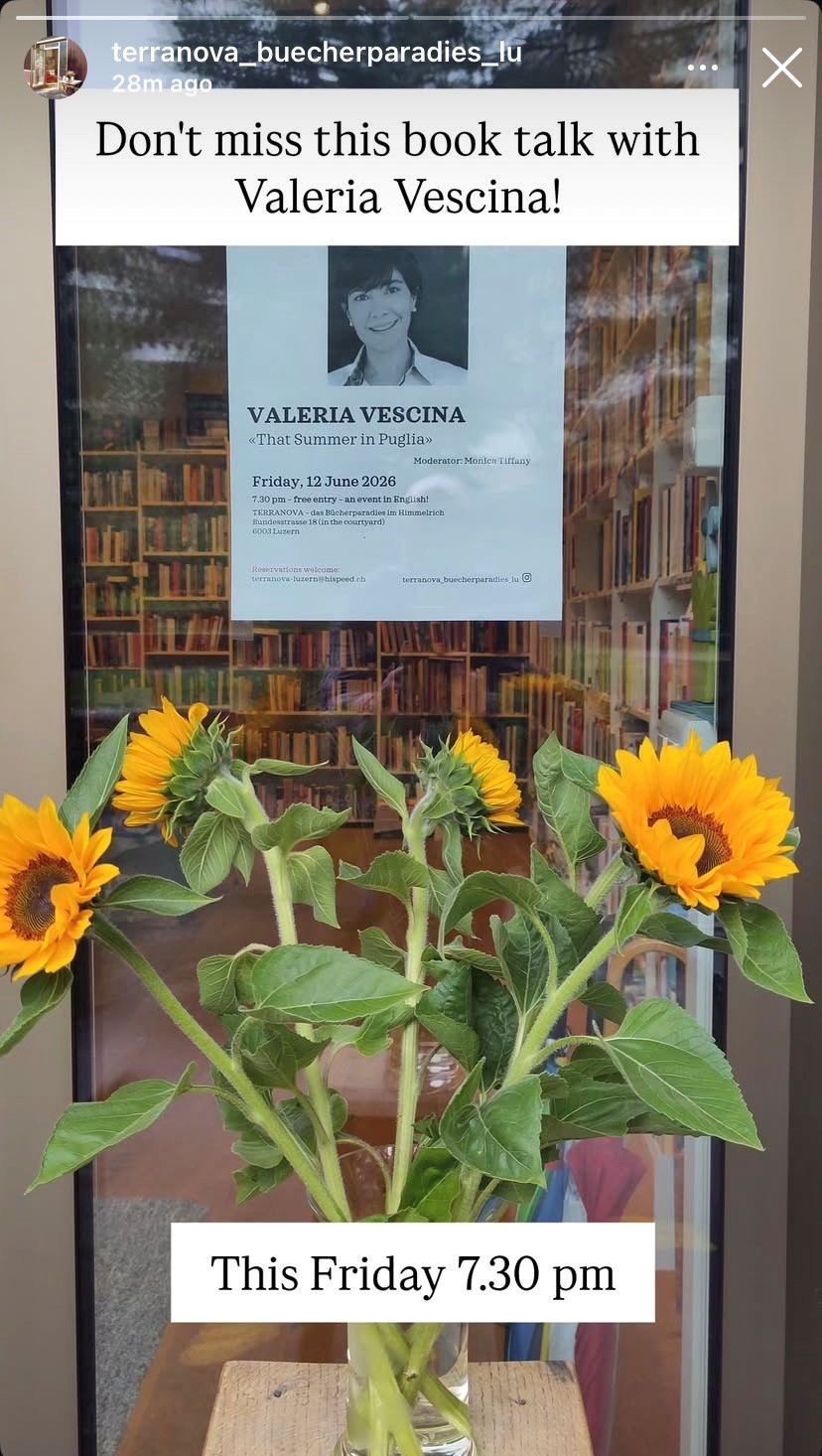
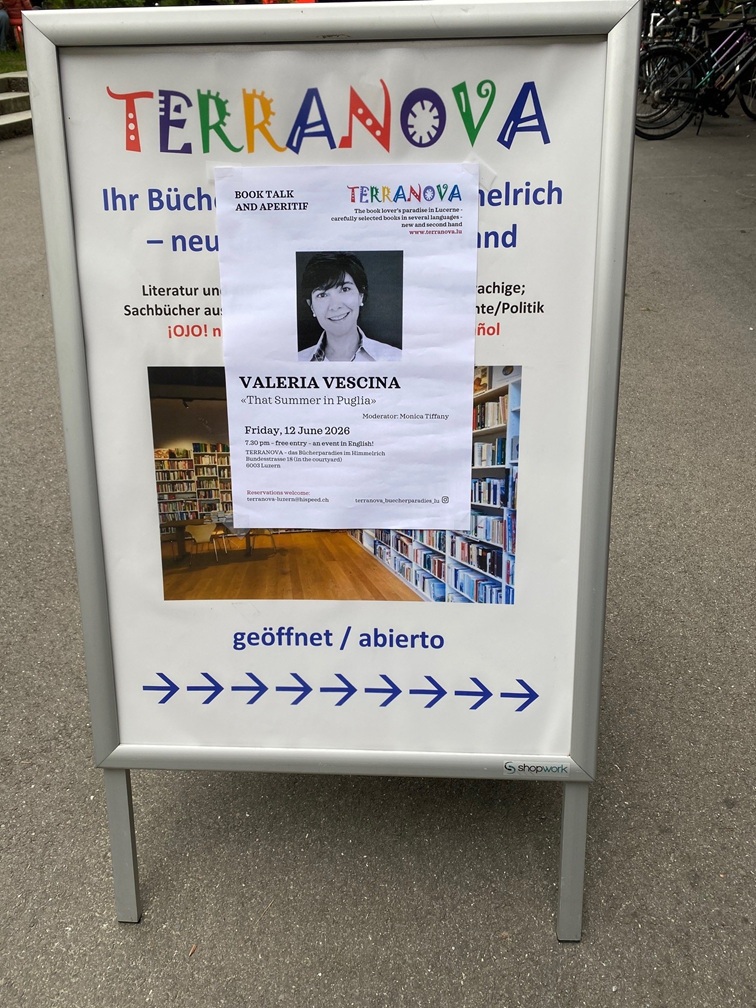
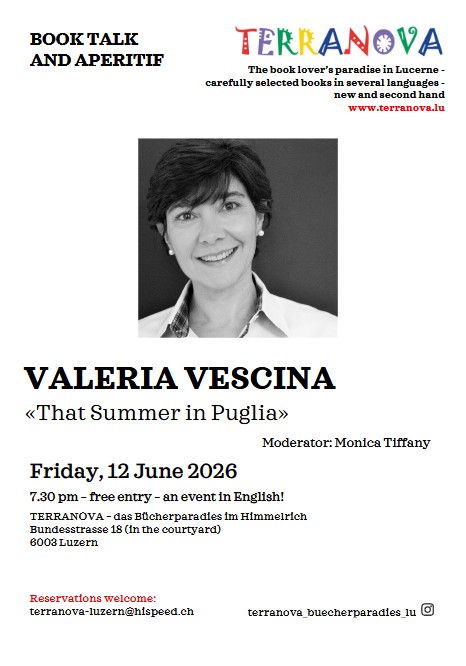
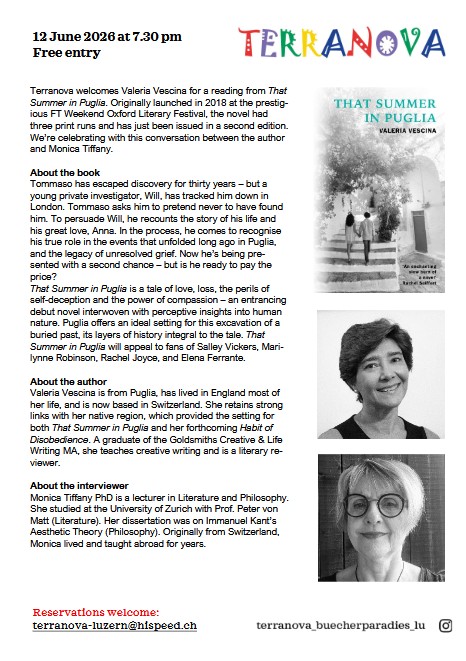
If you happen to be in or near Lucerne in Switzerland (where I now live), come to the event organised for 12 June by Terranova Bücherparadies, a super-lovely bookshop that stocks titles in several languages. My interviewer will be Dr Monica Tiffany, lecturer in Literature and Philosophy.
And if you’d like to get hold of the novel, you’ll find it wherever you usually buy your books! Here, just a few places:
Amazon (worldwide, from its country-specific sites)
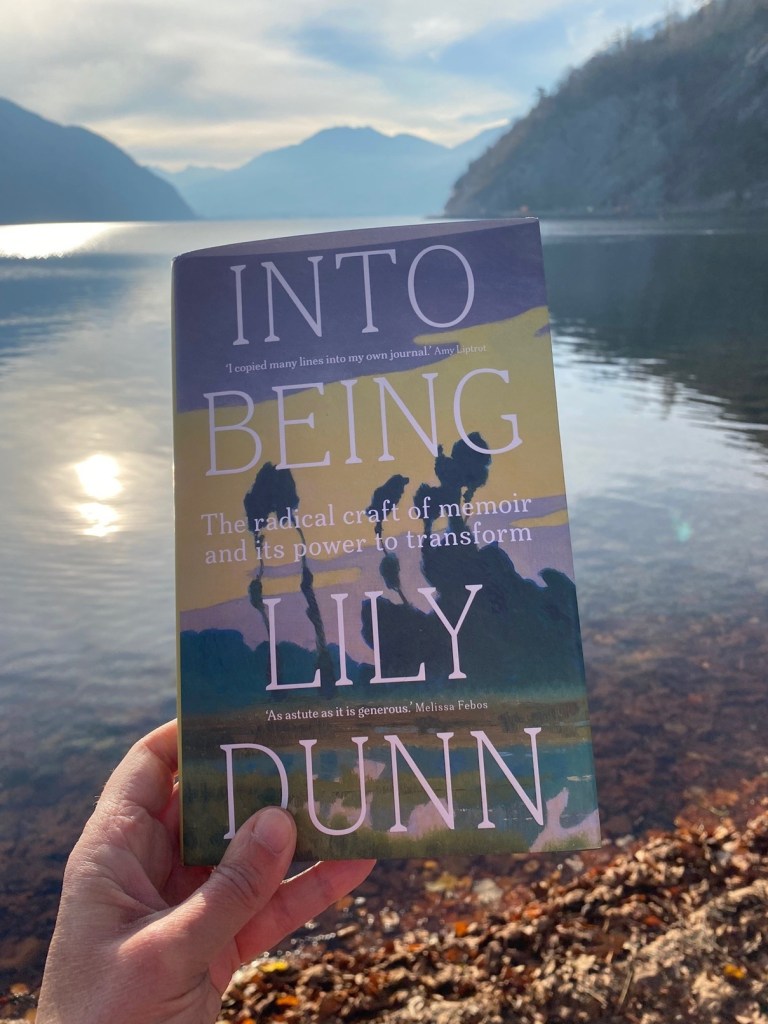
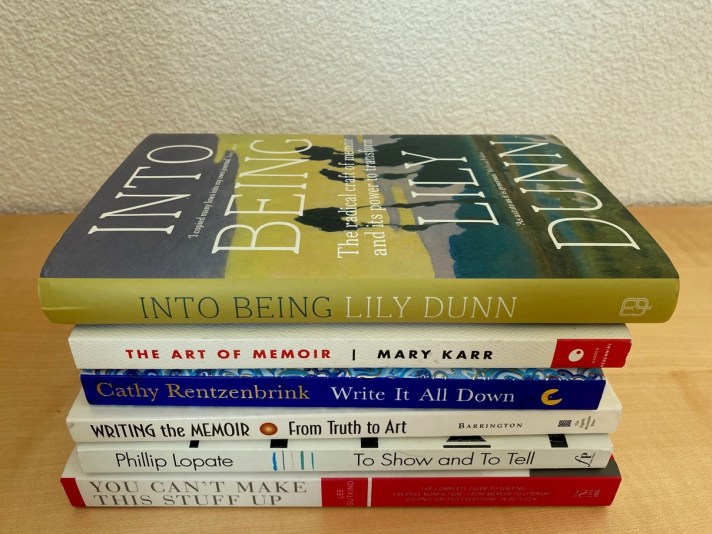
I’ve read many titles on the craft of memoir, but Into Being is about so much more than the craft. I can’t recommend it strongly enough. Lily Dunn’s focus on the transformative power of the process, her handling of philosophical questions, the generosity with which she shares her experience, the inclusion of other writers’ insights, and the voice – which blends authority and wisdom with modesty and empathy – make for a powerful mixture that I’m sure will be invaluable to memoirists for a long time to come.
I love how Lily conveys ‘the dance between writing and gaining in self-understanding in life, and how intimately connected they are.’ Her view of memoir-writing has a remarkable life-enhancing quality. ‘We are touching on questions not only of how to write better, but also how to live better, to be more self-aware and honest as we move through the world. The best memoirs, I believe, evolve alongside their authors who gain in understanding and wisdom […].’
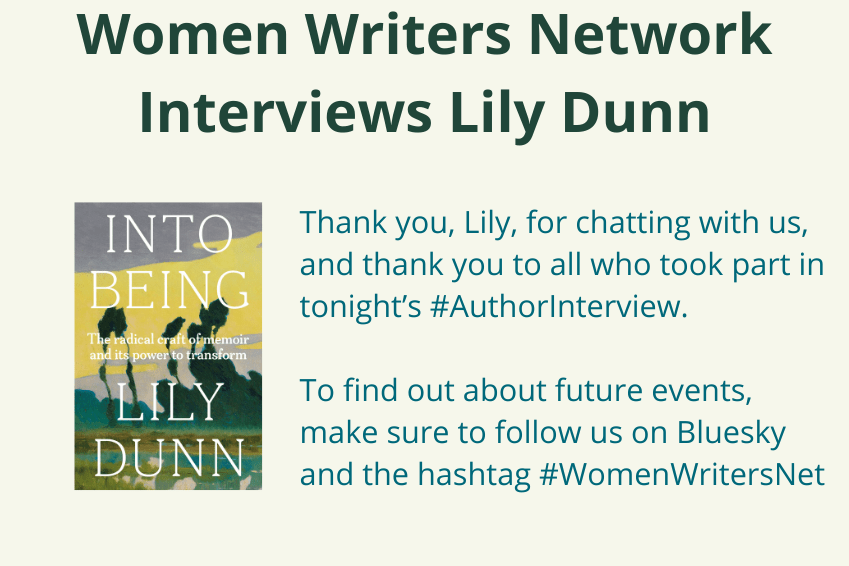
In January, I had the privilege of interviewing Lily on behalf of the Women Writers’ Network. We discussed how she balances her work as a memoirist, teacher, and mentor; her aims for the book; how to nurture the ‘gift of noticing’; approaches to concerns over protecting oneself and others; degrees of emotional distance; finding clarity of both vision and voice; unearthing the best shape for one’s memoir.
You can read the interview of 22.1.2026 by clicking on the six questions below. Happy reading!
As some of you may know, eight of us – all volunteers, based in four countries – set up the Women Writers Network in 2017 to encourage, support, and promote fellow women writers. The result of our little group’s passion and commitment has been the creation of a vibrant writing community: originally on Twitter/X with c. 8,500 followers; and, since September of this year, on Bluesky, to which we’ve moved as it’s more closely aligned with our values. If you haven’t already, come and say hi on @womenwritersnet.bsky.social!
We’re running monthly #skychats on the third Thursday of (almost) every month. We’ve also introduced regular #AuthorInterviews on Bluesky (on the fourth Thursday). Below is one I was privileged to host in November with Stephanie Bretherton, author of The Fire In Their Eyes (reviewed here in July). Happy reading: just click on the six questions! And come and join us for our upcoming interviews in 2026, when you can pose your own questions to our fantastic guests!
‘Undercurrents’ (Broken Sleep Books) by Richard Skinner
What a breath of fresh air this slim volume is: a collection of uncompromisingly thought-provoking essays, and the variety of topics so stimulating. It feels like listening to a friend talking about subjects that deeply matter to him but that are also universal, and that he handles as only someone both knowledgeable and passionate about them can.
Richard Skinner is an author of literary fiction, life-writing, essays, non-fiction and poetry, and a highly regarded creative-writing tutor. In Undercurrents, he brings together essays about books, the writing craft, films and music, his own life experiences, as well as interviews with poets. Naturally, the tone varies as a function of each essay’s topic: from the more analytical one for a review, to the reflective and intense one about two beloved friends’ deaths.
Skinner’s thoughts on the link between Eisenstein’s ‘montage of attractions’ principle and making connections in one’s writing intrigued me. I enjoyed the expansiveness with which an essay about Talking Heads’ Remain in Light takes in Isiah Berlin, Marcel Proust and the ancient Greek chorus. The description of the state of ‘self-emptying’ and ‘belonging’ to the landscape while on a long hike resonated. The reflections on friendship, death, and acceptance of the unknowable, with regard to the death of dear friends, were relatable and made me think.
This is a rare gem in the current publishing landscape. All credit to the author, and to Broken Sleep Books for its ambitious publishing programme.
Our September 2025 writing retreat has just wrapped up! This special gathering brought together writers who had previously attended one of my tutored retreats. They returned for a week of workshops, focused writing time, supportive feedback sessions, and refreshing walks in the breathtaking Alpine landscape. It was such a joy to welcome them back! By the end of the week, old friendships had been deepened and new ones forged, and the group left with a promise to continue meeting online for ongoing feedback and support.
The attendees came from various groups but shared a common writing-craft foundation from their first retreat, so they were keen to take the experience one step further, together. Finding dates that suited everyone was the main challenge, but five participants were able to make the week of 7 to 13 September. Three stayed at the apartment in Hasliberg-Reuti that had welcomed them before, while two (since the flat wasn’t big enough for everyone) stayed at a lovely nearby B&B. The large seminar room in the apartment comfortably held us all for the workshops and feedback sessions.
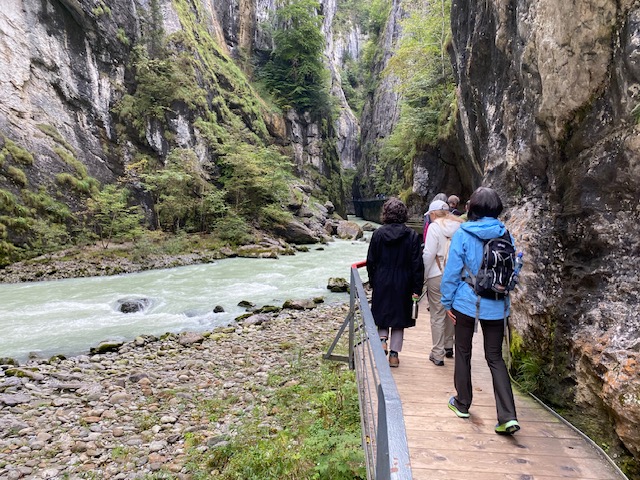
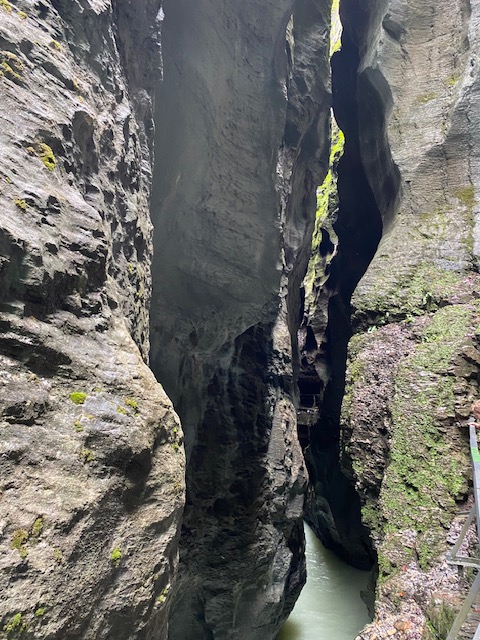
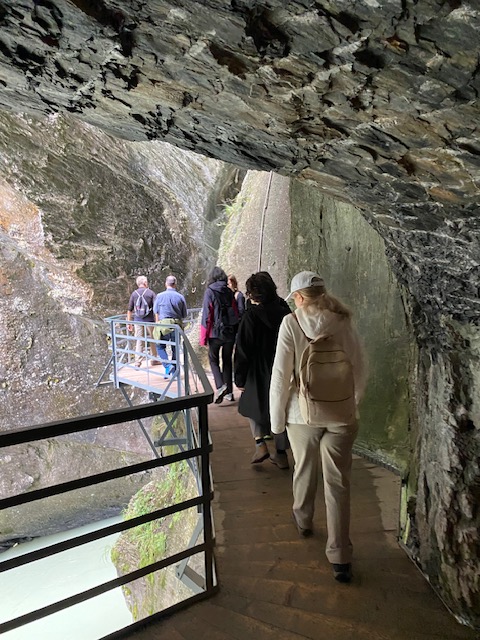
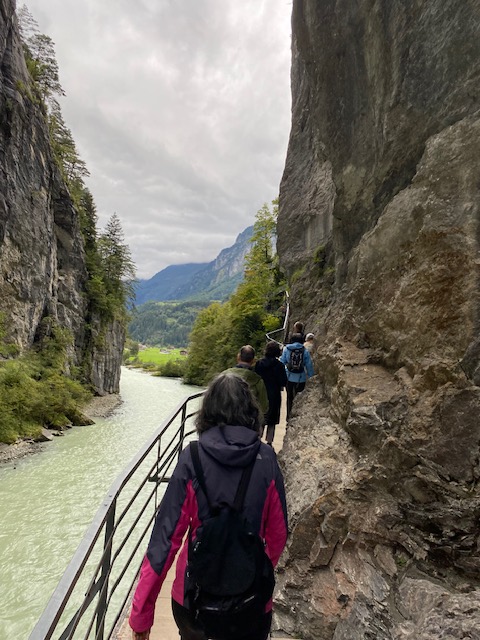
Each morning began with a 90-minute workshop to inspire creativity, deepen knowledge of the craft, and strengthen the group’s bond. Ample personal writing time during the day gave everyone space to advance their projects. In the afternoons, we reconvened for two and a half hours of group feedback. A short daily walk in the fresh mountain air – and a mid-week excursion to the spectacular Aare Gorge just outside Meiringen – provided not only physical activity but also inspiration and the chance to connect more deeply. Much talk and laughter were shared also over breakfast, lunch (at the nearby Hotel Reuti restaurant), and dinner!
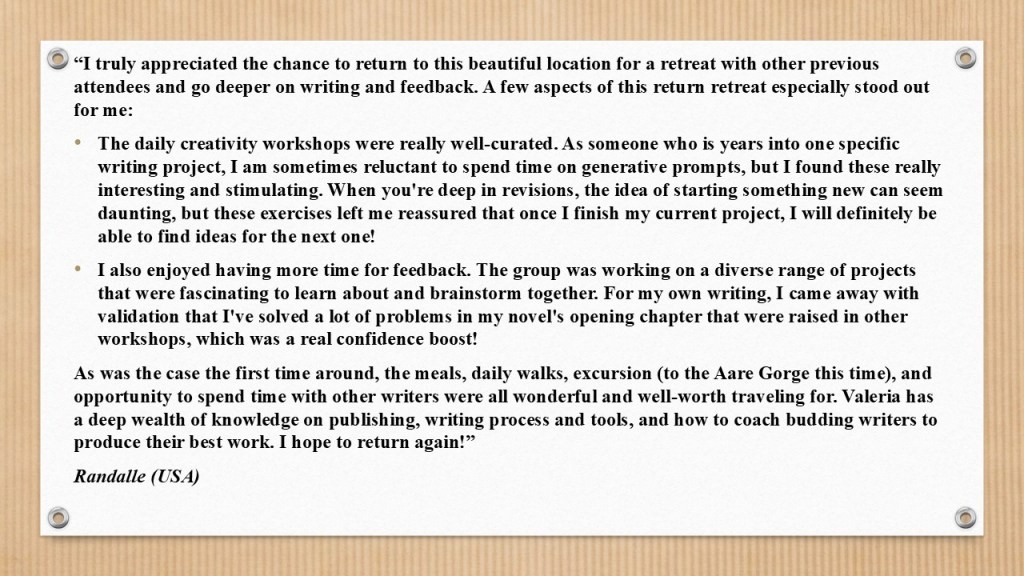
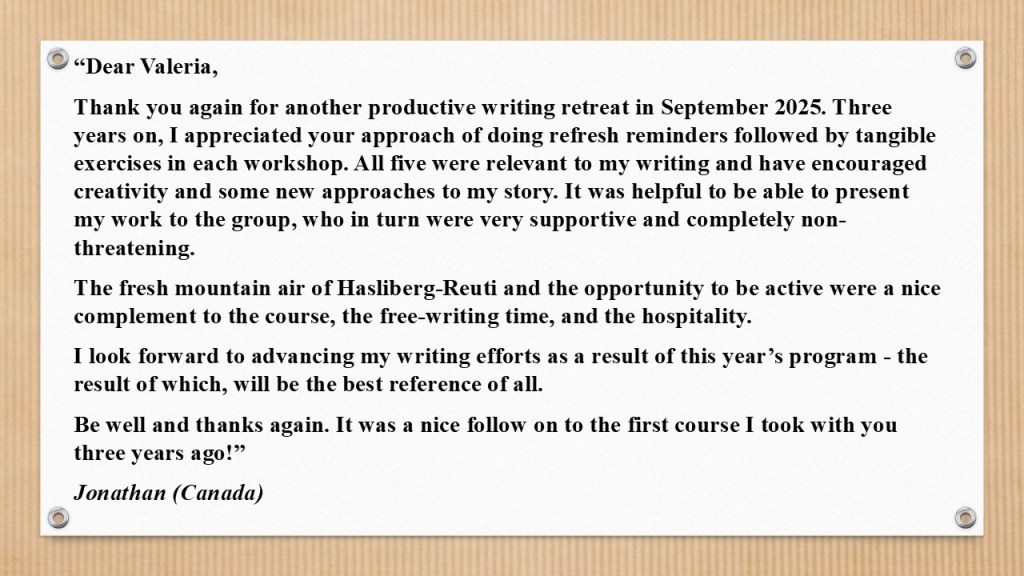
The workshops built on the group’s shared knowledge base. I provided recaps of what we had covered during their previous retreats: on Day 1, Story Structure and Plot Development; on Day 2, Story Openings; on Day 3, Characterisation… We quickly reviewed these notes together, then moved on to exercises that drilled down into the relevant topic while introducing something new and unleashing creativity. For example, our session on Characterisation was paired with exploring the uses and effects of music (in both fiction and life writing); another exercise delved into the narrative possibilities of photographs, to experiment with Point of View and ‘Psychic Distance’; and so on. You can read attendees’ feedback in their own words. The response has been so enthusiastic that I plan to repeat this retreat next year. I’ll be contacting the community of former participants soon to find out which dates work best.
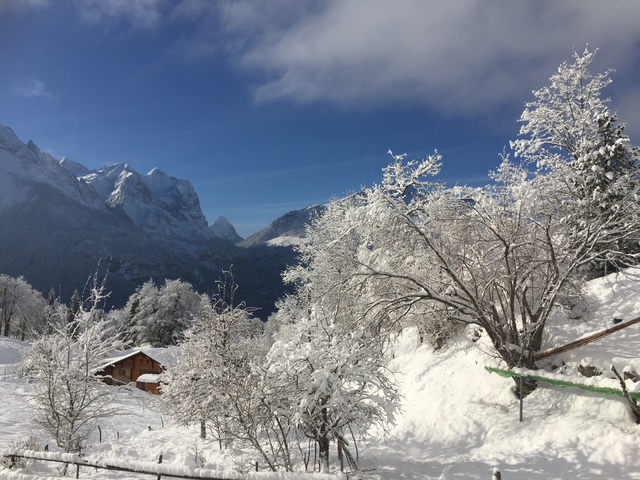
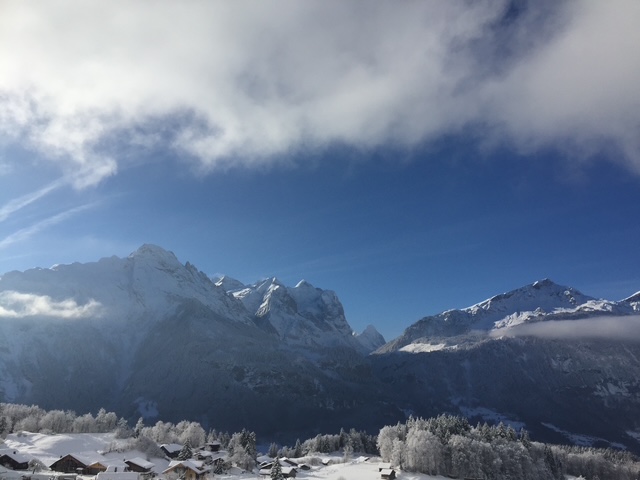
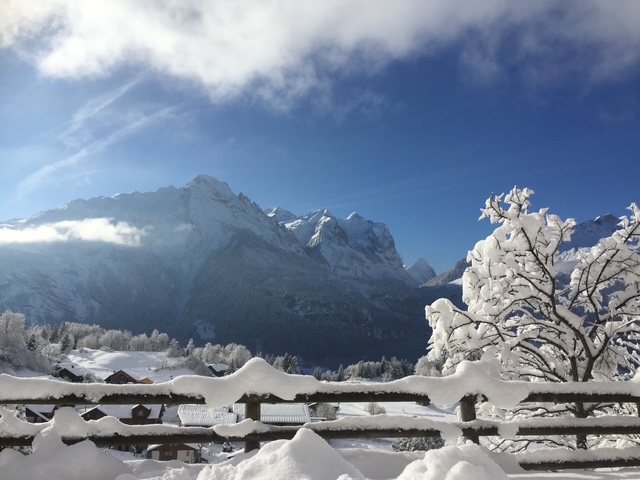
In the meantime, the next tutored retreat (open to participants at all levels of experience) will run from 1 to 7 March 2026 – an inspiring week designed to nurture your writing, spark new ideas, and connect you with a community of fellow writers. If you’d like to be part of it, you can find details here: https://valeriavescina.com/teaching/writing-retreats/ In that period, Hasliberg-Reuti is often covered in snow, making the landscape magical in yet another way.